
20 Jul 2026
Post by usertopnews
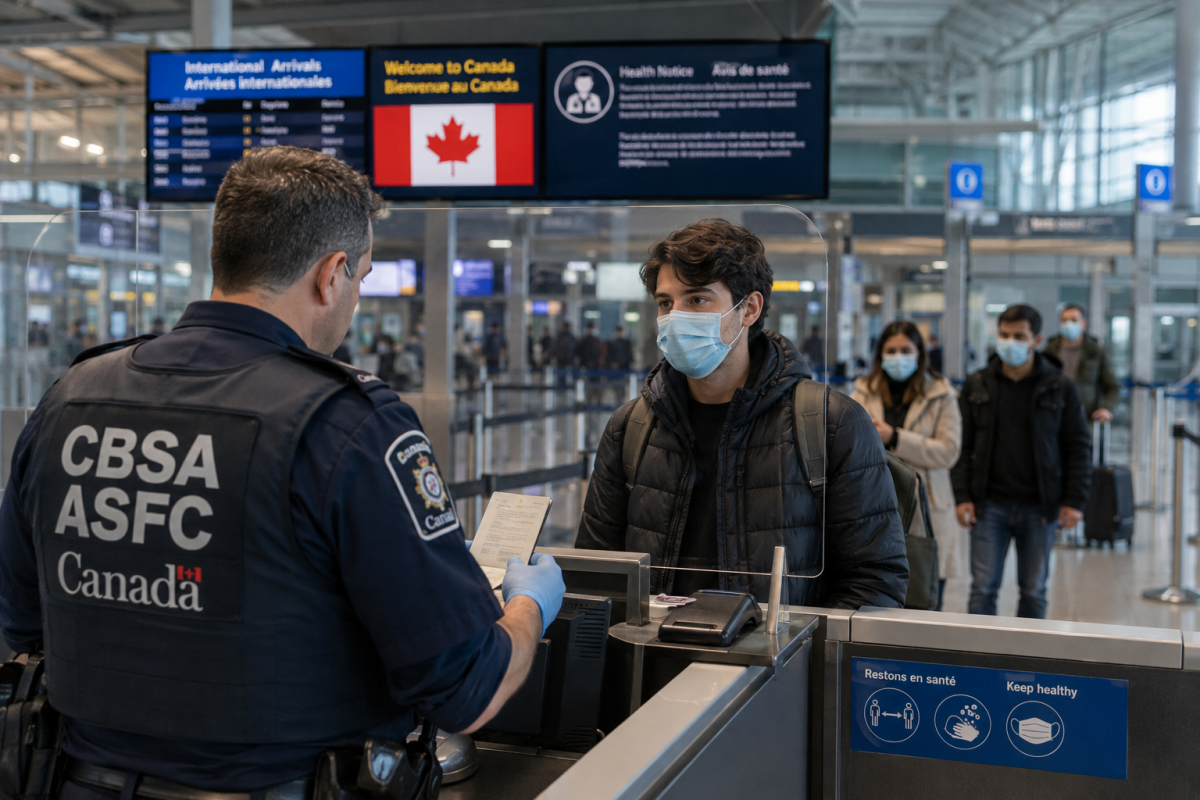
Starting Monday, July 20, 2026, Canada will prohibit entry to foreigners who have been in the Democratic Republic of Congo within the last 21 days. This move aims to curb the spread of the ongoing Ebola outbreak in the region, which has already resulted in over 2,100 infections and more than 800 deaths.
The restriction specifically targets travelers recently present in Congo and does not apply to all foreigners. Canadian authorities emphasize that while the risk to the general population remains low, this precautionary measure aligns with steps taken by other North American countries. Airlines, both commercial and private, are required to deny boarding to anyone who falls under this rule.
Meanwhile, Canadian citizens and permanent residents returning from Congo, Uganda, or South Sudan must continue to undergo medical evaluations and quarantine protocols. This layered approach reflects a balance between public health vigilance and the need to maintain essential travel.
Interestingly, the World Health Organization has advised against broad travel restrictions, warning they could hinder international efforts to control the outbreak. Yet, Ottawa’s decision underscores a cautious stance amid one of the most serious recent health emergencies in Central Africa.
Canada has clarified that these measures are temporary and will be reassessed as the epidemiological situation evolves. The government remains committed to close monitoring at its borders and ongoing collaboration with global health organizations.
For migrants and travelers navigating international borders, this development highlights the complex interplay between public health and mobility in a globalized world. Staying informed and prepared is key as countries adapt their policies to emerging health threats.


1 comentario