
17 Jul 2026
Post by usertopnews
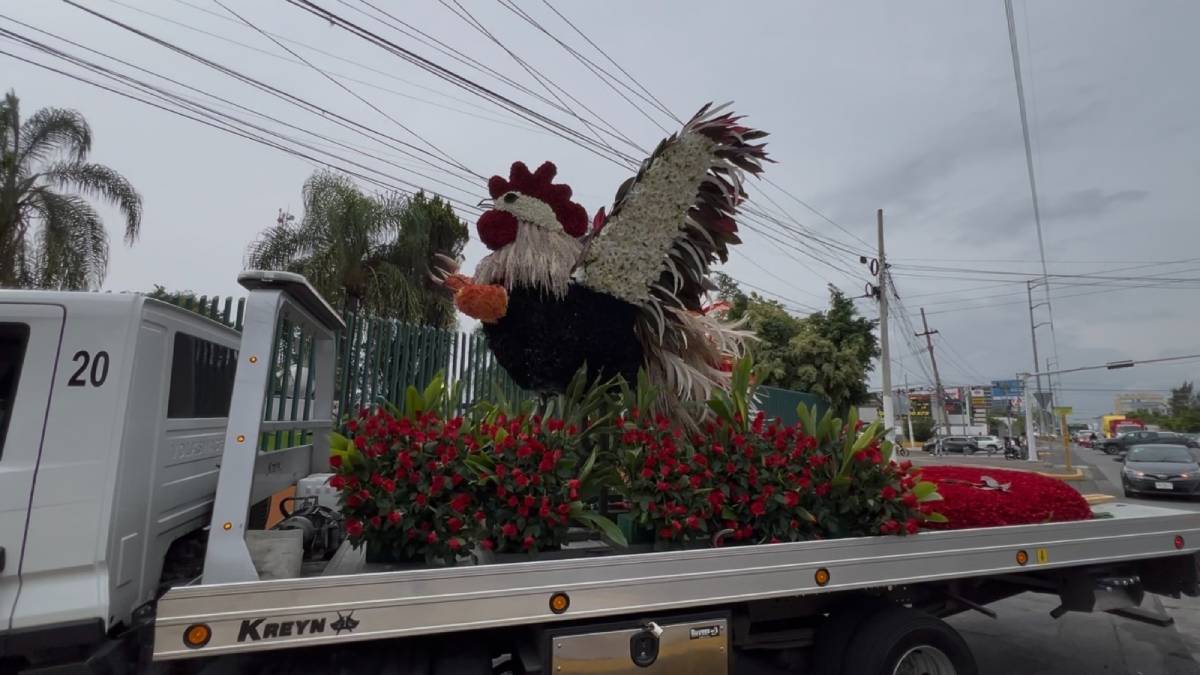
On Friday, July 17, 2026, dozens of floral arrangements were placed at the private cemetery where Nemesio Oseguera Cervantes, known as “El Mencho,” the late leader of the Jalisco New Generation Cartel (CJNG), is buried. Among the offerings were four monumental displays—three shaped like roosters and one like a horse—alongside several wreaths made of red roses and white flowers.
El Mencho, who was killed on February 22, 2026, in Tapalpa, Jalisco, would have turned 60 years old this Friday. His grave attracted visitors paying respects on this significant date.
The tombstone bears the name Rubén Oseguera Cervantes, with the years 1966–2026, and a photo showing him embracing a rooster. The inscription reads: “You were a great man, the best father, husband, grandfather, and brother. Thank you for being our guide, our hero, and above all, our best friend.” It also includes the phrase: “It is better to die standing than to live a lifetime kneeling. We love you! You will always be in our hearts.”
Next to El Mencho’s grave lies the tomb of Hugo César Macías Ureña, alias “El Tuli” (1976–2026). His epitaph honors him as “a great man, brave and loyal friend,” and states: “Today rest two men who left a mark and whose loyalty lasted until death. We will always remember you with love.” The message is signed by “Your wife, children, and family.”
The Recinto de la Paz cemetery area is intermittently monitored by the National Guard, maintaining security around the site.
While the legacy of figures like El Mencho is deeply controversial, the public attention to his tomb on this milestone birthday reflects ongoing social complexities in regions affected by cartel influence. Understanding these dynamics is crucial for those following Mexico’s evolving security and social landscape.


1 comentario