
17 Jul 2026
Post by usertopnews
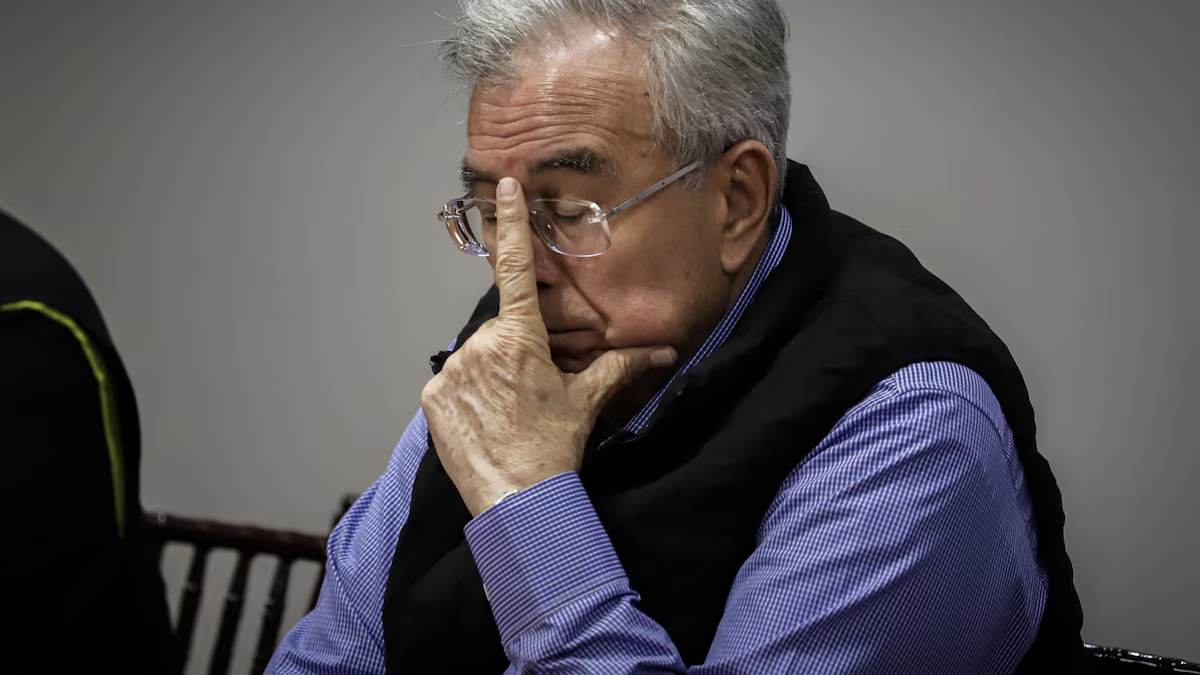
A recent column published this Friday in *El Heraldo de México* claims that Rubén Rocha Moya, the governor on leave from Sinaloa, is reportedly willing to voluntarily surrender to US authorities. However, according to the piece, this move has been blocked by Morena and the federal government.
The article, penned by journalist Manuel López San Martín, suggests that Rocha Moya believes appearing before the US justice system would allow him to directly confront accusations linking him to the Sinaloa Cartel. Yet, it argues that the ruling party and federal officials are keen to prevent this, fearing that Rocha could disclose information implicating members of the governing movement.
This development unfolds amid an escalating political and diplomatic crisis triggered by the US Department of Justice’s charges against Rocha and other Sinaloa officials for alleged ties to drug trafficking. Following these accusations, Rocha requested a leave of absence from his gubernatorial duties to face investigations. Meanwhile, the Mexican government has insisted that the US present concrete evidence before any extradition process can proceed.
In recent days, rumors circulated about a potential operation to arrest the former governor in Culiacán, but these were promptly denied by the federal Security Cabinet.
It’s important to note that the column’s claim about Rocha wanting to surrender is based on sources cited by the author and has not been confirmed by Rocha himself or any official authority. Neither Morena nor the federal government have publicly addressed the allegation that they are obstructing a possible voluntary surrender.
This story adds another layer to the ongoing legal and political saga surrounding the ex-governor, which remains one of Mexico’s most significant political issues. Throughout, Mexico has maintained a firm stance demanding formal proof from the US before advancing any legal proceedings.
For migrants and residents navigating Mexico’s complex political landscape, this case highlights the intricate interplay between justice, political interests, and international relations—reminding us how transparency and accountability remain crucial in holding power to account.


1 comentario