
16 Jul 2026
Post by usertopnews
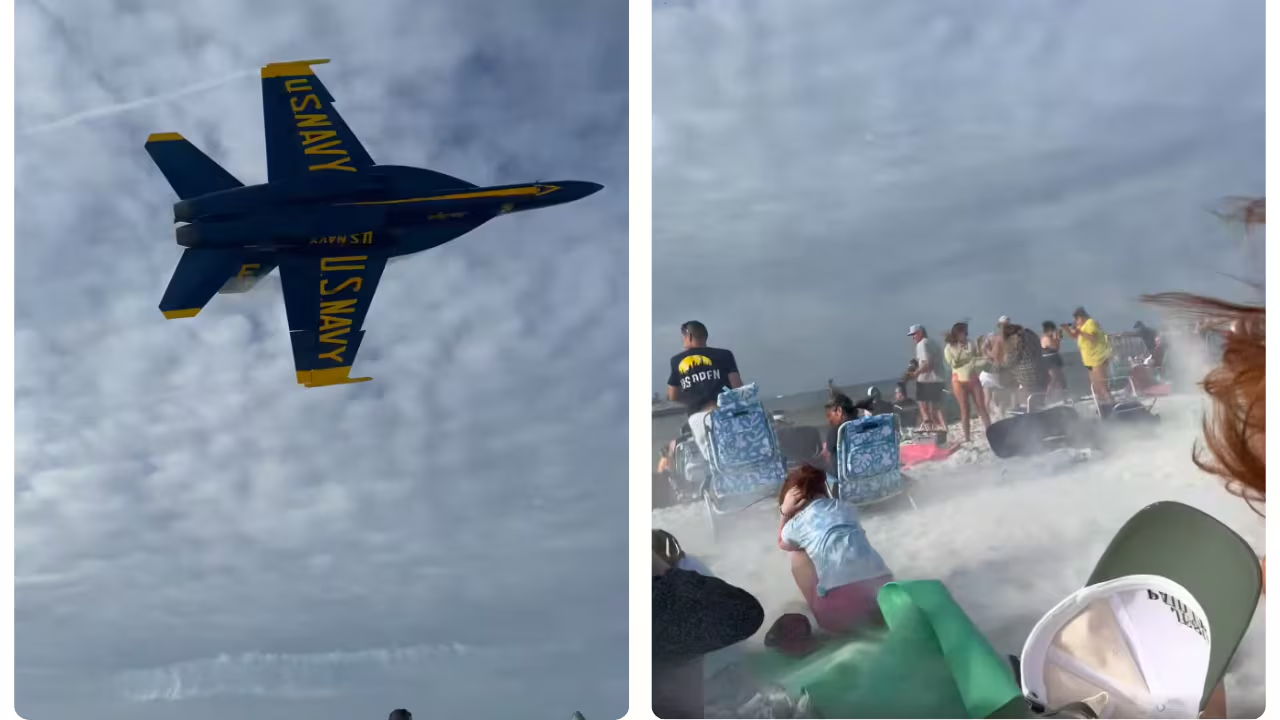
A dramatic low-altitude flight by a Blue Angels F/A-18 Super Hornet over Pensacola Beach, Florida, on Wednesday caught the attention of beachgoers and social media alike. The jet’s powerful engines stirred up sand and sent umbrellas and towels flying, prompting surprise and concern among those watching.
This incident occurred just days after the July 4th celebrations, when the United States’ elite aerial demonstration teams, including the Thunderbirds and Blue Angels, showcased their precision flying across the country. The Blue Angels, the Navy’s official flight demonstration squadron, are renowned worldwide for their complex maneuvers and exceptional pilot skill.
Despite their prestige, the pilot involved in Wednesday’s risky flyover was reportedly suspended due to the dangerous nature of the maneuver. While the Blue Angels have a long history dating back to the post-World War II era—starting with three Grumman F6F Hellcats and evolving to today’s six F/A-18 Super Hornets—this episode highlights the fine line between thrilling displays and public safety.
The United States maintains the world’s largest military aircraft fleet, with approximately 13,200 planes, including around 1,850 combat and attack aircraft. Its three official aerial demonstration teams—the Navy’s Blue Angels, the Air Force’s Thunderbirds flying F-16s, and the Army’s Golden Knights specializing in parachuting—continue to captivate audiences nationwide.
As these teams push the limits of aerial performance, incidents like the Pensacola flyover serve as reminders of the responsibility that comes with such displays, especially when performed near populated areas. For communities and spectators, safety remains paramount even amid the spectacle.


1 comentario