
3 Jul 2026
Post by usertopnews
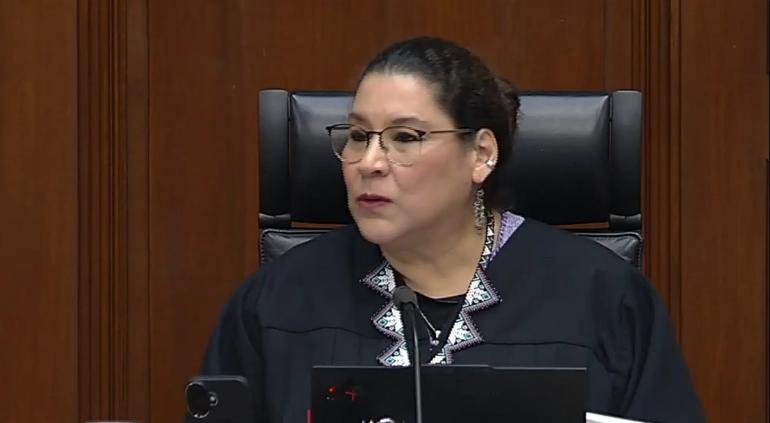
On July 3, 2026, Lenia Batres Guadarrama, a minister of Mexico’s Supreme Court, sparked controversy by advocating for taxing inheritances, pensions, and Afore accounts—retirement savings funds—arguing that exempting these from income tax perpetuates social inequality.
Batres expressed her views during the latest plenary session of the Supreme Court, responding to a draft ruling by Minister Sara Irene Herrerías Guerra. Herrerías’s proposal aimed to make it mandatory that funds from a deceased worker’s Afore account, when passed to beneficiaries, be subject to the Income Tax (ISR). This issue arose from conflicting federal court rulings on whether these funds should be considered tax-exempt income under Article 93, Section XXII of the ISR Law and Article 261 of its Regulation, or if they should be taxed like legacies.
Minister Yasmín Esquivel Mossa defended the tax exemption, emphasizing that these funds serve a function similar to legacies and should remain untaxed. However, the court ultimately rejected Herrerías’s proposal by a 6-to-1 majority.
Batres argued that taxing inheritances and legacies is essential to promote wealth redistribution, stating: “I believe it is unjust that inheritances and legacies are not taxed. A person receives resources that did not come from their own effort, which in strict terms reproduces social inequalities.”
Her stance ignited criticism on social media, where users pointed out that inheritances originate from the deceased’s efforts and have already been taxed during their lifetime.
Following the rejection, the case was reassigned to another minister. Minister Figueroa requested to take over the drafting of a new ruling that aligns with the majority opinion of the plenary and establishes binding jurisprudence.
This debate highlights ongoing tensions in Mexico’s legal and social landscape regarding how to balance fair taxation with protecting family wealth, a topic that resonates deeply with many, including migrants and diverse communities seeking equitable economic policies.


1 comentario