
30 Jun 2026
Post by usertopnews
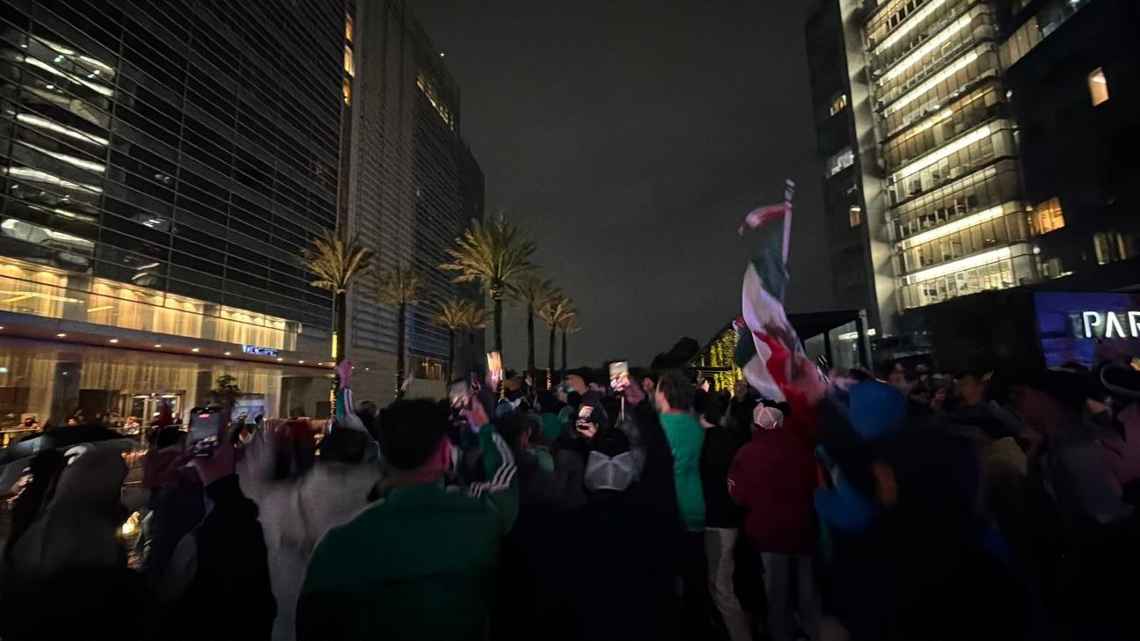
Just past midnight on Tuesday, June 30, 2026, outside the Ecuador national team’s hotel in Santa Fe, Mexico City, a lively—and loud—scene unfolded. Mexican soccer fans, rallying behind their team ahead of the crucial Round of 16 match at Estadio Ciudad de México, orchestrated a “serenade” designed to disrupt the Ecuadorian squad’s rest.
Starting hours before the game, supporters arrived armed with megaphones, buckets, platters, and even garrafones (large water jugs), turning up car horns and blasting music in a coordinated effort to keep the rival team from sleeping. Their goal was clear: to give Mexico any possible edge by making the Ecuadorian players’ stay uncomfortable.
The Ecuadorian delegation, after enduring nearly nine hours of travel to reach the venue, quickly felt the impact. According to sources, they requested police intervention due to the relentless noise outside their hotel. They even asked to switch rooms, but no alternative accommodations were available.
Despite the persistent racket—including motorcycles revving and car horns blaring—the police arrived around midnight equipped with shields to disperse the crowd. Yet, the fans remained undeterred, jumping and cheering through rain and noise, embodying the passion Javier Aguirre had called upon when he dubbed the supporters the “12th player.”
Authorities ultimately maintained order and ensured traffic flow but did not fully silence the fans, who had already made their point: in Santa Fe, the Ecuador team would not rest easy before facing Mexico.
This spirited display highlights the intense fan culture surrounding the 2026 World Cup in Mexico, where community support and creative expressions of loyalty play a significant role in the tournament’s atmosphere. For many, such moments underscore the power of collective enthusiasm in sports—and the lengths to which fans will go to back their team.


1 comentario