
25 Jun 2026
Post by usertopnews
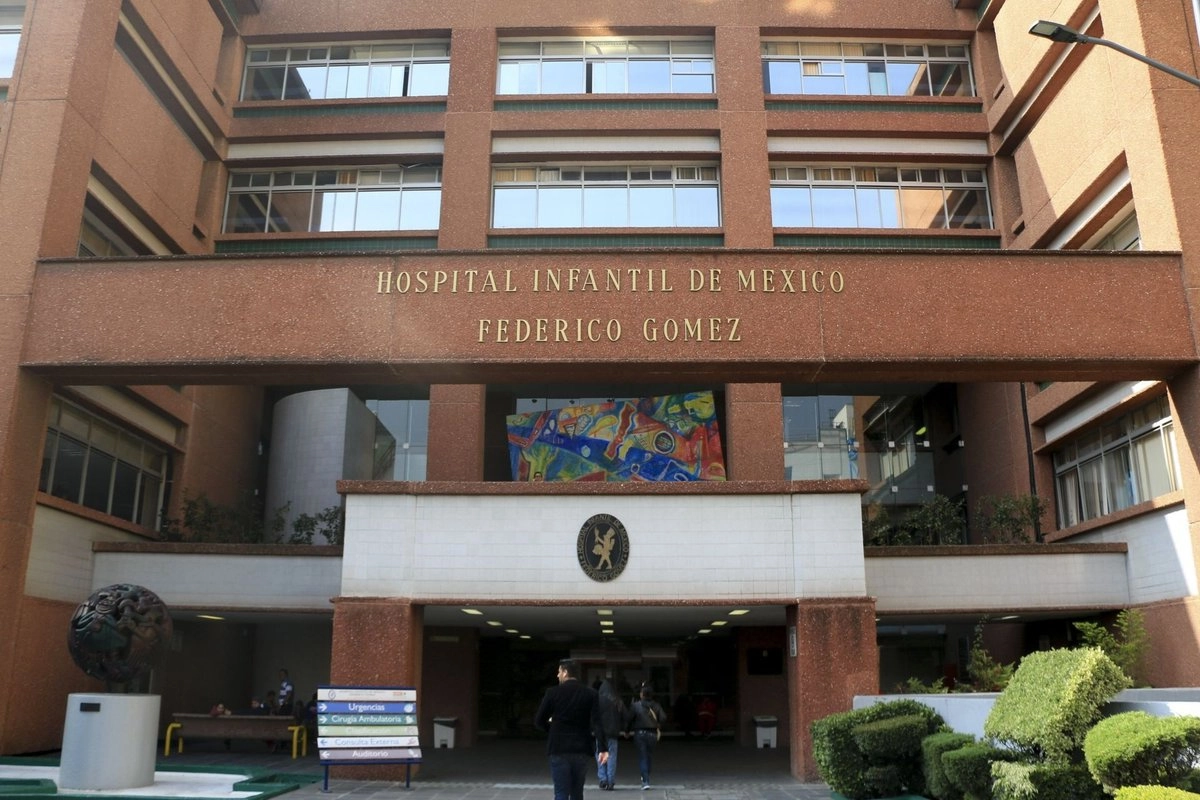
Between 2020 and 2024, over 18 million units of medications—including critical oncology drugs—expired at the Hospital Infantil de México Federico Gómez (HIMFG), with a total value exceeding 121 million pesos. These medicines were stored in a private warehouse in the State of Mexico, a fact uncovered and denounced by then-director Adrián Chávez López.
Chávez López requested a detailed inventory from Distribuidora Disur SA de CV, the company holding the stock, and later ordered the disposal of expired drugs, according to documents obtained by La Jornada. Despite these findings, the outgoing director in January 2024, Jaime Nieto Zermeño, did not include this issue in the official handover report.
During the years these medicines sat unused, families of children with cancer at HIMFG protested repeatedly, highlighting severe shortages of essential drugs. Their demonstrations even blocked major roads and the entrance to Mexico City’s International Airport, underscoring the urgency of the crisis.
Beyond the expired medications, Chávez López uncovered irregular financial practices, including unjustified overtime and high-risk payments to union delegates, as well as discretionary hiring of temporary staff. These actions severely strained the hospital’s budget. After corrective measures were implemented in 2025, spending on these items dropped by more than 185 million pesos. However, the local union leadership requested the continuation of these payments to “maintain social peace and a favorable work environment,” a proposal Chávez rejected.
To ensure lasting change and the appointment of an honest successor who would continue Chávez López’s reforms, around 200 hospital workers signed a letter addressed to Mexico City’s mayor, Claudia Sheinbaum, delivered last week to the National Palace. Adriana Contreras, director of Citizen Attention, responded that relevant public servants are now involved and promised follow-up and a formal reply.
The expired inventory included over 600 types of medicines, ranging from painkillers and antibiotics to highly specialized treatments for complex conditions. Among the expired oncology drugs were:
– 14 units of Busulfan, costing 1 million pesos
– 2,622 units of Methotrexate, valued at 751,000 pesos
– 901 vials of Vincristine, worth 428,000 pesos
Other notable expired drugs included:
– 162 vials of Mepolizumab, a biotechnological anti-inflammatory for severe respiratory disease, costing 2.8 million pesos
– Over 1 million units of Tacrolimus, used to prevent organ transplant rejection, valued at 4.4 million pesos
– 498 vials of Factor VIII for hemophilia treatment, worth 3.3 million pesos
– 908 ampoules of Alprostadil for children with congenital heart defects, costing 4.7 million pesos
– 840 units of Nitisinone for a rare disease, valued at 5.8 million pesos
This case highlights the critical need for transparent management and accountability in public health institutions, especially when vulnerable populations depend on timely access to life-saving medications.


1 comentario