
24 Jun 2026
Post by usertopnews
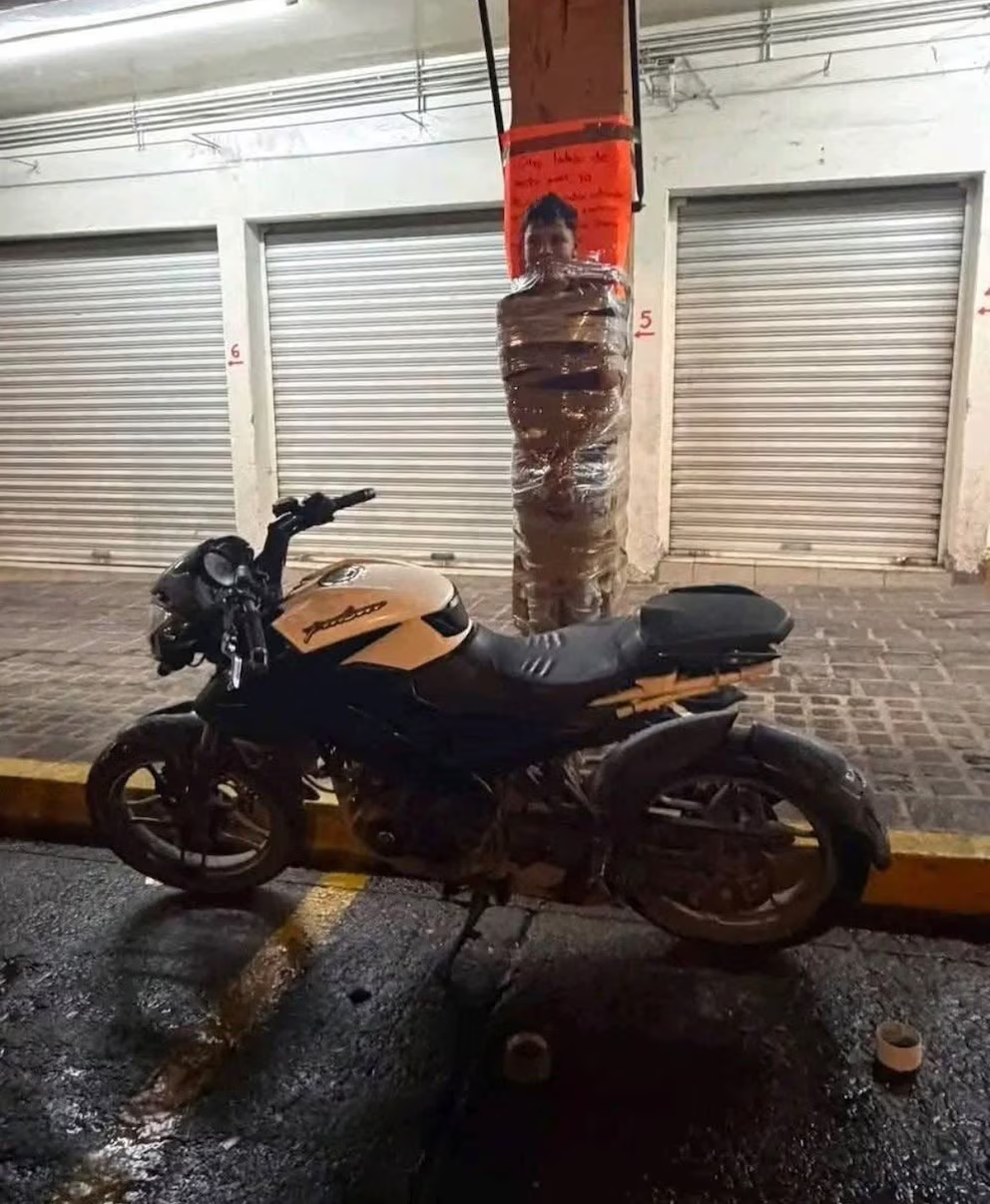
Since June 13, the streets of Lagos de Moreno, Jalisco, have witnessed a controversial wave of extrajudicial detentions carried out by an anonymous figure dubbed the “Batman of Lagos.” This self-styled vigilante has been tying alleged criminals to posts, marking them with accusations of theft, and posting evidence such as stolen motorcycles nearby.
The first known incident involved a young man found tied up with visible signs of violence and the word “ratero” (thief) painted on his forehead. Over the following days, similar cases emerged: on June 17, two 18-year-olds were discovered bound with duct tape, mouths covered, and notably, sporting drawn-on mouse mustaches—a symbolic gesture that caught public attention. That same day, a 23-year-old was displayed with a sign linking him to motorcycle theft. Another case followed on June 19, all sharing the pattern of public shaming and physical restraint.
These acts have polarized the local community. Some residents see the vigilante’s actions as a direct response to persistent insecurity, a grassroots attempt to reclaim safety where official channels seem insufficient. Others warn about the dangers of taking justice into one’s own hands, emphasizing the risks of abuse and wrongful punishment.
The Jalisco State Prosecutor’s Office has responded by opening investigations into these incidents, treating the detained individuals as victims of aggression regardless of the accusations against them. This official stance highlights the tension between public frustration with crime and the rule of law.
This phenomenon is not isolated in Mexico. Over the past decade, several cases of citizen-led armed defense or vigilante justice have surfaced, reflecting widespread dissatisfaction with the justice system:
– In 2010, Don Alejo Garza Tamez in Tamaulipas became a symbol of resistance after defending his ranch against attackers, killing four before dying himself.
– The “Justiciero de La Marquesa” in the State of Mexico (2016) killed four assailants during a bus robbery on the Mexico-Toluca highway.
– That same year, the “Justiciero de Naucalpan” shot a criminal during a combi robbery, with passengers refusing to identify him.
– In 2018, a private security guard in Mexico City’s Condesa neighborhood killed an attacker during an attempted robbery, a case considered possible legitimate defense.
– In 2021, a passenger in Tonanitla confronted four armed robbers on public transport, resulting in three deaths.
– Between March and May 2022, the “Limpiador de Morelos” was linked to homicides of alleged sexual aggressors.
– More recently, in 2024, a passenger armed himself to repel an assault on the Mexico-Puebla highway, killing one assailant and forcing others to flee.
These episodes have reignited national debates about the boundaries of legitimate defense, the failures of the justice system, and the risks posed by anonymous actors operating outside legal frameworks.
In this context, the “Batman of Lagos” case underscores the urgent need for effective, inclusive public security policies that protect human rights and restore trust in institutions. While community-driven solutions to insecurity reveal deep social frustrations, they also remind us that justice must be anchored in law and respect for civil liberties.
As Mexico continues to grapple with these challenges, innovative public transport projects like Puebla’s upcoming cable car system offer a glimpse of how state-led initiatives can improve urban life and safety, fostering inclusive development rather than vigilantism.


1 comentario