
24 Jun 2026
Post by usertopnews
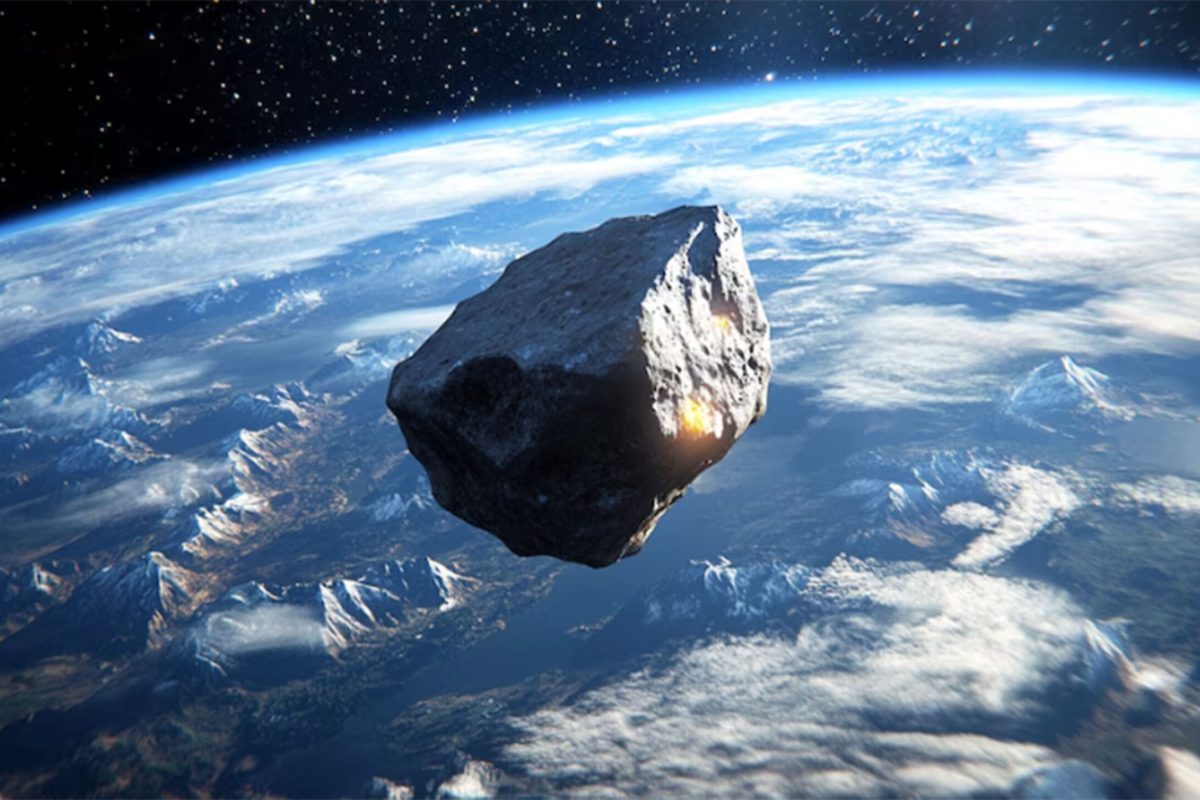
This Saturday, June 27, a sizable asteroid named (152637) 1997 NC1 will make a close approach to Earth, according to the European Space Agency (ESA). Discovered in 1997, this space rock measures between 750 and 1,650 meters in diameter, roughly comparable to several city blocks.
The asteroid will pass at a distance of about 2.56 million kilometers—approximately 6.6 times the distance between Earth and the Moon. Its closest approach is expected at 6:14 a.m. Central Mexico Time, traveling at a speed of 8.9 kilometers per second.
While this might sound alarming, ESA experts confirm the probability of impact is zero. This event is part of the regular flybys of near-Earth objects, offering a rare opportunity for observation.
If you’re interested in catching a glimpse, the asteroid will be visible mainly from the Northern Hemisphere during nighttime hours, provided the skies are clear. Small telescopes or high-powered binoculars will be enough to spot it, although the brightness of the nearby full Moon might make viewing more challenging at peak proximity.
Juan Luis Cano from ESA’s Planetary Defense Office highlights that such close passes by objects of this size happen only every few years. Despite their rarity, asteroids like this remind us of the dynamic environment around our planet and the importance of monitoring space objects for planetary safety.
Asteroids are ancient remnants from the solar system’s formation, believed to have delivered complex molecules—and possibly the building blocks of life—to Earth billions of years ago. While impacts from large asteroids are extremely rare, smaller and medium-sized space rocks frequently enter Earth’s atmosphere, sometimes causing explosions that can damage property and pose risks to people nearby.
This upcoming flyby is a reminder of the ongoing need for scientific vigilance and investment in planetary defense systems, which help protect our communities and deepen our understanding of the cosmos.


1 comentario