
23 Jun 2026
Post by usertopnews
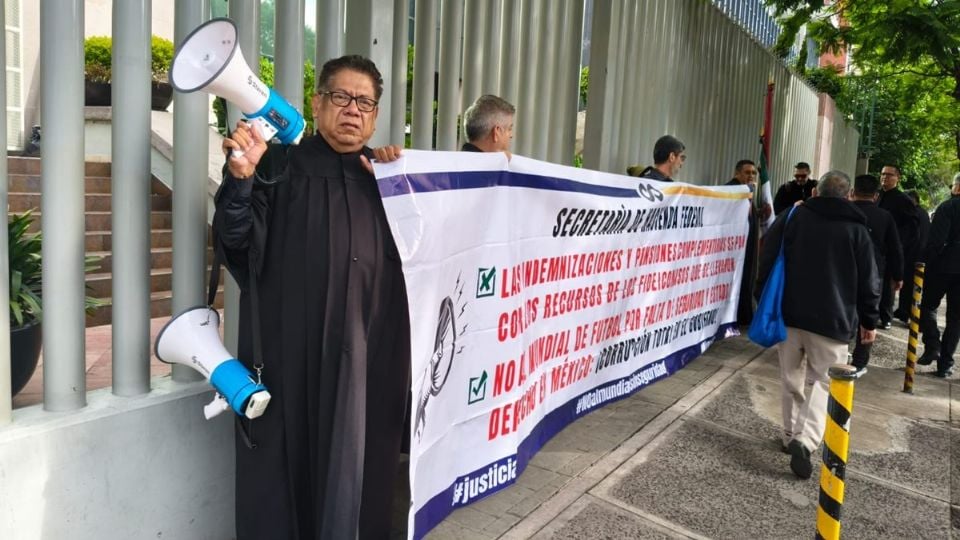
On the morning of Wednesday, June 24, 2026, retired judges and magistrates gathered outside the Tribunal de Disciplina Judicial in Mexico City to demand overdue severance payments after being removed from their positions due to the recent judicial reform. The protest took place at the Tribunal’s headquarters on Avenida Insurgentes Sur, in the San Ángel neighborhood near the Doctor Gálvez Metrobús station.
Among the demonstrators was Magistrate Reynaldo Reyes Rosas, a former federal judge and magistrate with over 37 years of service, who publicly announced his decision to step away from the new judicial system promoted by the federal government. Reyes Rosas described the new selection methods—such as the use of a lottery system—as “novísimos, pero corruptos procedimientos” (“brand new, but corrupt procedures”), emphasizing his commitment to protest alongside more than 120 other retired judges seeking their constitutional severance.
This protest follows a similar demonstration on May 25, when around 100 retired judges and magistrates blocked all three entrances to the Órgano de Administración Judicial (OAJ) to highlight the nonpayment of severance to 86 judges and complementary pensions to 120 former judicial officials. The blockade prevented OAJ employees from entering, leaving them outside waiting for instructions.
Juan Carlos Cruz Razo, a retired magistrate and former counselor of the Federal Judiciary Council, also joined the protest at the OAJ headquarters. He expressed frustration over the unpaid indemnities, noting the severe impact on the livelihoods of those affected. Cruz Razo criticized the requirement for retired judges to justify their entitlement to severance payments, which are clearly established in the constitutional reform.
The protests underscore ongoing tensions as Mexico’s judicial system undergoes transformation. While reforms aim to modernize and improve justice administration, the treatment of retired judicial officials raises questions about the state’s responsibility to uphold fair labor rights and maintain judicial independence. For many, including Reyes Rosas and Cruz Razo, securing these payments is not only a matter of financial necessity but also a defense of dignity and the rule of law.



1 comentario