
22 Jun 2026
Post by usertopnews
On Monday, June 22, 2026, Keir Starmer announced his resignation as Prime Minister of the United Kingdom, ending a turbulent two-year tenure that began after his Labour Party victory in July 2024. Starmer’s decision comes after months of internal criticism and political challenges that culminated in a significant loss for Labour in the local elections on May 7, 2026, and the rise of the far-right Reform UK party led by Nigel Farage.
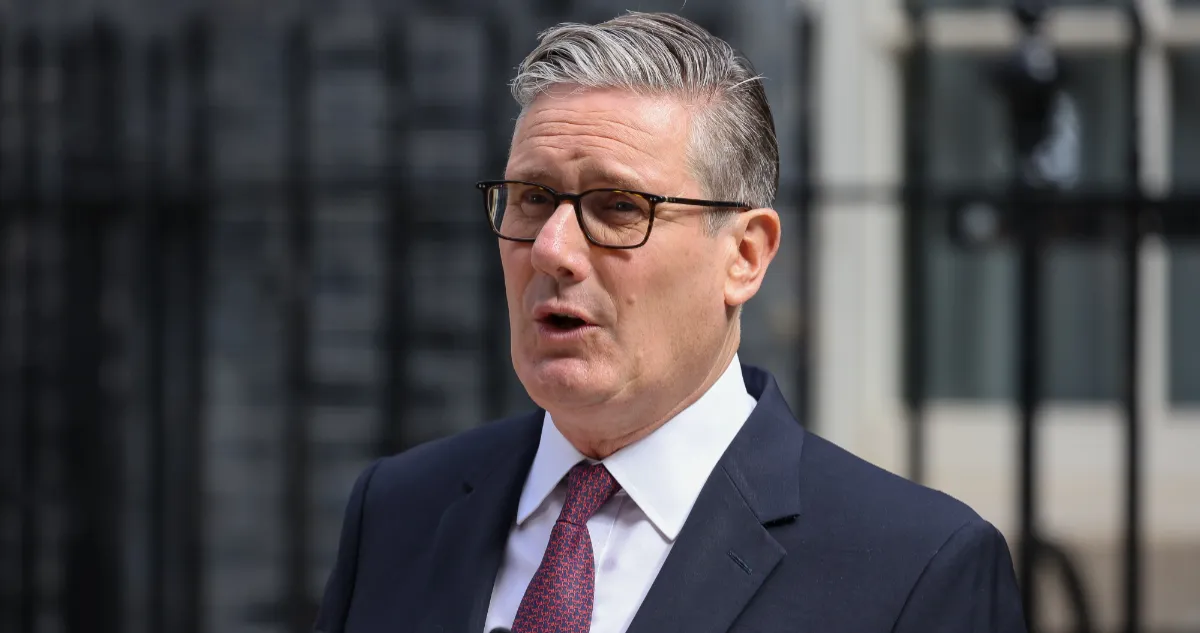
Standing outside Downing Street, Starmer acknowledged the doubts within his party about his leadership ahead of the next general election. “The question now is whether I am the right person to lead us forward. I have listened to my parliamentary group’s answer and accept it willingly,” he said. He confirmed he had informed King Charles III of his decision and set July 9 as the start date for the Labour leadership contest, aiming for a smooth transition by the end of the month.
Despite stepping down, Starmer will remain in office during the leadership process and is expected to attend key international events, including the NATO summit in Ankara on July 7-8 and a bilateral meeting with the European Union in Brussels on July 22.
Reflecting on his time in office, Starmer highlighted achievements such as a stronger economy with wages outpacing inflation, increased investment in healthcare, the end of austerity measures, and the largest defense spending boost since the Cold War. He also emphasized progress on migration policies and restoring the UK’s global reputation. “The UK is once again a defender of decency, respect, and the rule of law,” he stated, citing trade agreements, support for Ukraine, and renewed alliances in Europe as key successes.
However, the mounting pressure following Labour’s poor local election results led to the resignation of several cabinet members, including Health Secretary Wes Streeting—considered a potential leadership contender—and Defense Secretary John Healy, a pivotal figure in the government’s military and European support strategy.
Starmer’s resignation marks the seventh time a UK Prime Minister has stepped down under similar circumstances, underscoring the volatile nature of British politics today. As the Labour Party prepares for its leadership race, the country faces a critical moment that will shape its political and social future.


1 comentario