
17 Jun 2026
Post by usertopnews
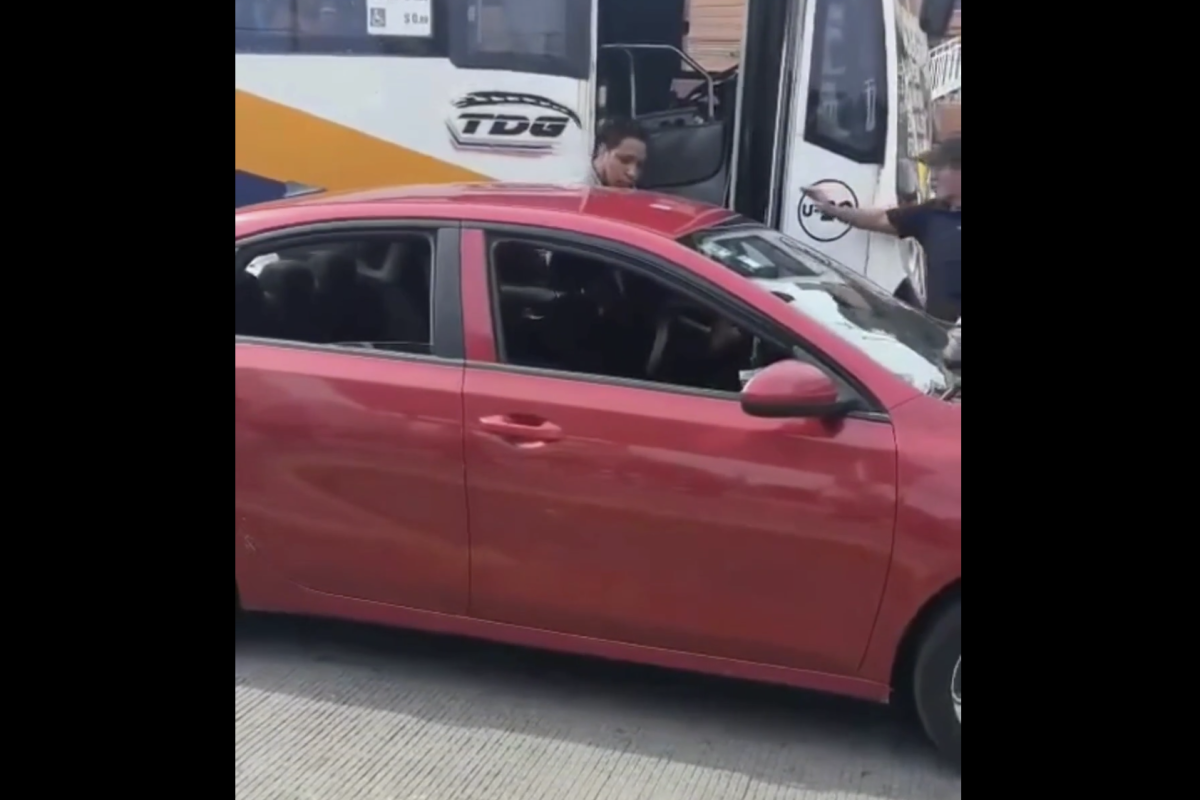
On Wednesday, June 17, 2026, a disturbing incident unfolded on Avenida Fidel Velázquez near the La Margarita housing unit in Puebla. A driver from the Ruta Cree-Madero public transport line and his passenger were caught on video physically assaulting a private car driver in broad daylight. Despite dozens of bystanders witnessing the confrontation, only one elderly man stepped in to try to calm the situation.
This episode is part of a growing pattern of road rage and conflicts involving public transport operators and private drivers in Puebla. Just days earlier, a viral video showed a group of so-called “montachoques” attacking a public transport operator with a crowbar in San Felipe Hueyotlipan, shattering windows and terrifying passengers. Similar clashes have been recorded across the metropolitan area, underscoring the daily tensions on Puebla’s streets.
Puebla’s traffic congestion is a long-standing issue, with major arteries like Fidel Velázquez, 11 Sur, Periférico Ecológico, and Vía Atlixcáyotl overwhelmed by thousands of vehicles every day. Experts warn that this saturation not only lengthens travel times but also raises stress levels among drivers, creating a volatile environment prone to verbal and physical altercations.
In this context, the Puebla government’s Cablebús project emerges as a promising alternative. Unlike traditional buses and vans that crowd the streets, the Cablebús operates above ground, freeing up road space and potentially easing traffic on some of the city’s most congested corridors. Similar cable car systems in Mexico City and Medellín have demonstrated benefits such as faster commutes and reduced reliance on overcrowded buses.
While debates continue about the urban and environmental impact of the Cablebús in Puebla, its supporters argue it could be a key tool to relieve traffic pressure and reduce the frequent conflicts between drivers and public transport operators. The recent aggression on Avenida Fidel Velázquez serves as a stark reminder of the urgent need to rethink urban mobility and promote a culture of respect among all road users in Puebla.


1 comentario