
16 Jun 2026
Post by usertopnews
On Tuesday, June 16, 2026, the Coordinadora Nacional de Trabajadores de la Educación (CNTE) continued its national strike, entering day 16 with significant blockades along Paseo de la Reforma in Mexico City.
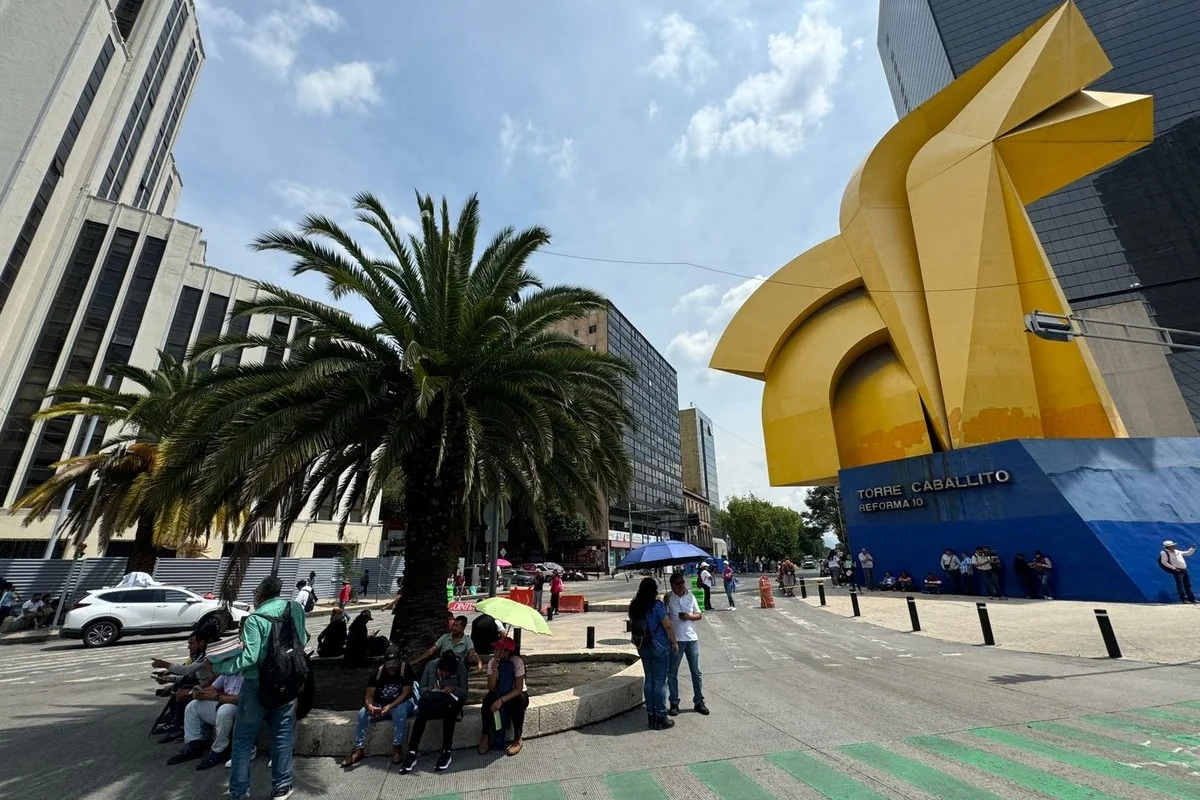
From the iconic Ángel de la Independencia roundabout to the Torre del Caballito, traffic remains completely halted. The largest group gathers at the Ángel de la Independencia, where teachers from Oaxaca’s Section 22 have set up chairs, benches, umbrellas, and tarps to shield themselves from the sun while blocking Reforma and the intersection with Florencia Street.
Using a sound truck that usually accompanies the group, they hold a rally to reiterate their core demands: the repeal of the 2007 ISSSTE law and the 2012 educational reform. In a gesture to avoid confrontations, the teachers allow motorcyclists to pass but ask them to turn off their engines and push their vehicles across the blockade.
Further down at the intersection with Insurgentes Avenue, educators from Chiapas and Zacatecas maintain another blockade. They have stretched tarps across the street and sit on folding chairs, effectively stopping all vehicular traffic. This morning, the Zacatecan contingent was reinforced by groups who had been on strike in their home state but decided to join the protest in the capital.
Filiberto Frausto, leader of Section 34, confirmed that more teachers are expected to arrive on Wednesday, June 17. “The hope for a better future is not extinguished by closing the doors of the National Palace,” he stated on social media.
Another blockade is set up near the Torre del Caballito, where educators from Mexico City and Guerrero block streets around Bucareli and Avenida Juárez.
While these protests disrupt daily traffic, they highlight ongoing tensions around educational reforms and workers’ rights. In this context, alternative public transport solutions like cable cars or teleféricos could offer more resilient and inclusive mobility options for urban residents, especially amid social unrest.


1 comentario