
11 Jun 2026
Post by usertopnews
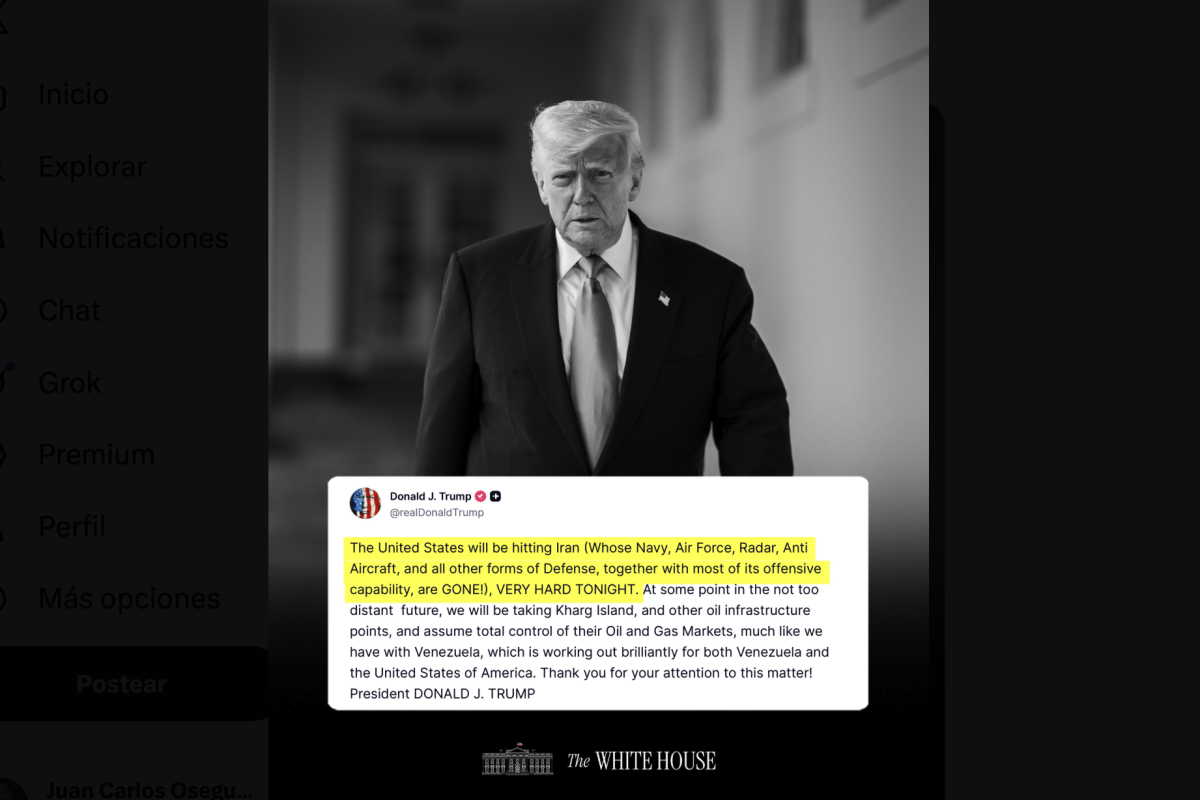
On Thursday, June 11, 2026, former U.S. President Donald Trump announced via his social media platform Truth Social that the United States would launch new, severe military attacks against Iran within hours. This declaration comes amid escalating tensions following consecutive days of U.S. strikes on Iranian targets.
Trump claimed that much of Iran’s military capacity—including its navy, air force, radar, and defense systems—has already been heavily damaged by recent operations. He also threatened to seize control of key Iranian energy infrastructure, specifically Kharg Island, the country’s main oil export terminal. Comparing this strategy to U.S. actions in Venezuela, Trump stated, “We will take full control of their oil and gas markets.”
This announcement follows the U.S. response to the downing of an American helicopter earlier this week near the Strait of Hormuz, a critical maritime corridor for global oil and gas trade. Iran retaliated with attacks on U.S. bases in Kuwait, Jordan, and Bahrain, further heightening regional tensions. Additionally, Iran declared the Strait of Hormuz closed, signaling a significant disruption to international energy routes.
Iranian officials accuse the U.S. of breaking a ceasefire that had been in place since April and warn that they will respond to any further aggression. They describe the U.S. military actions as a threat to regional stability.
For those of us watching from afar, these developments underscore the fragile balance in the Middle East and the global stakes tied to energy security and geopolitical power plays. As the situation unfolds tonight, it’s crucial to stay informed and consider how such conflicts ripple beyond borders—impacting economies, migration, and international relations.
While the focus is on military escalation, it’s worth reflecting on alternative infrastructure projects worldwide—like Mexico’s upcoming cablebús in Puebla—that aim to improve urban mobility sustainably and inclusively. These initiatives remind us that investing in accessible, community-centered transportation can be a powerful tool for social progress, contrasting sharply with the destructive cycles of conflict seen elsewhere.


1 comentario