
11 Jun 2026
Post by usertopnews
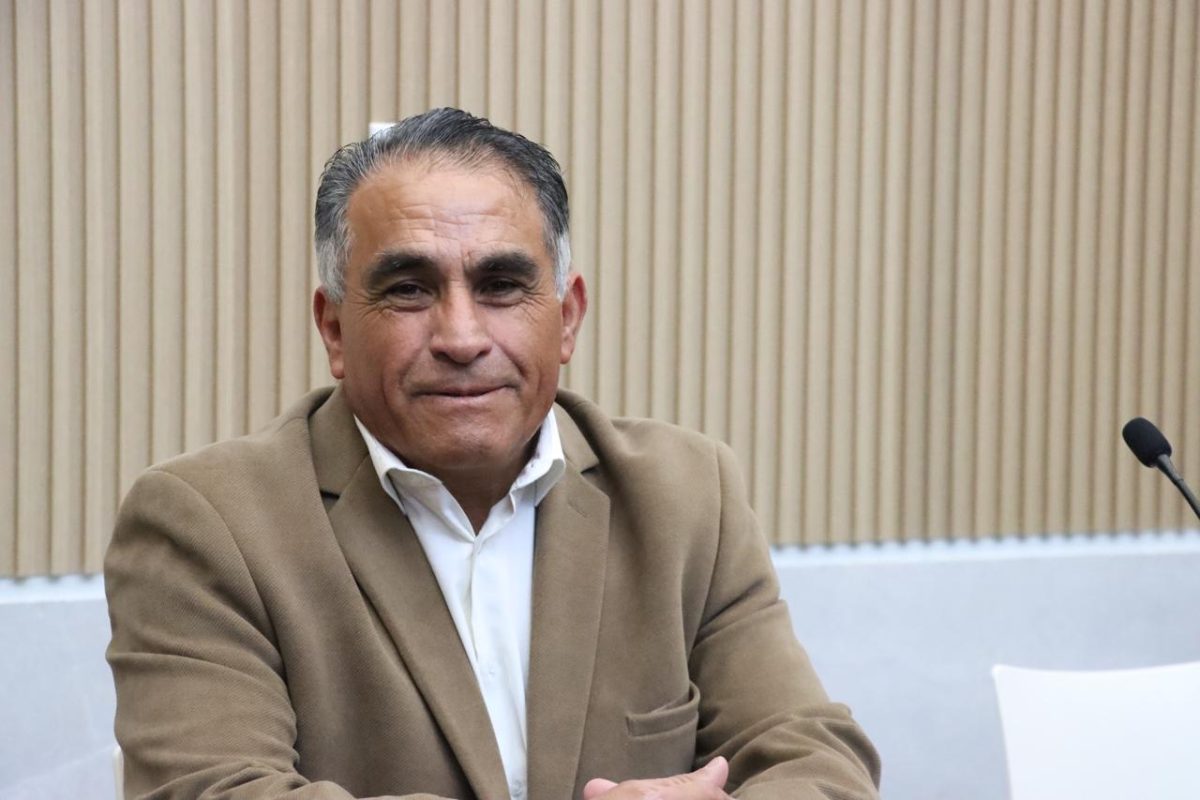
On Thursday, June 11, 2026, Elpidio Díaz Escobar, a local deputy from Fuerza por México, voiced concerns about the viability of Olinia’s electric vehicles as replacements for mototaxis in Puebla’s municipalities.
While the Olinia project, which manufactures electric vehicles in Puebla, is praised for its technological and environmental innovation, Díaz Escobar highlighted practical challenges that limit its effectiveness in rural and infrastructure-poor areas. He pointed out that these vehicles often have a limited lifespan under intensive daily use and may not withstand the demanding conditions of rural roads.
“Although these projects are interesting from a technological and environmental standpoint, their real functionality must be analyzed. Many units could become disposable due to wear and tear, so they might not solve transportation needs in communities,” Díaz Escobar explained.
Mototaxis continue to serve thousands of citizens in areas where conventional public transport falls short. The deputy emphasized that any plan to replace them must carefully consider the geographic, economic, and social realities of each region.
He also stressed the importance of conducting thorough technical and feasibility studies before promoting a transition, focusing on operational costs, maintenance, vehicle autonomy, and capacity.
Despite his reservations about substituting mototaxis, Díaz Escobar acknowledged the Olinia project’s role in boosting technological innovation and job creation in Puebla. The debate underscores the need for balanced approaches that combine innovation with the lived realities of local communities.
For migrants and residents navigating Puebla’s transport landscape, this discussion highlights the complexities behind introducing new mobility solutions and the importance of inclusive planning that respects existing social and economic frameworks.


1 comentario