
11 Jun 2026
Post by usertopnews
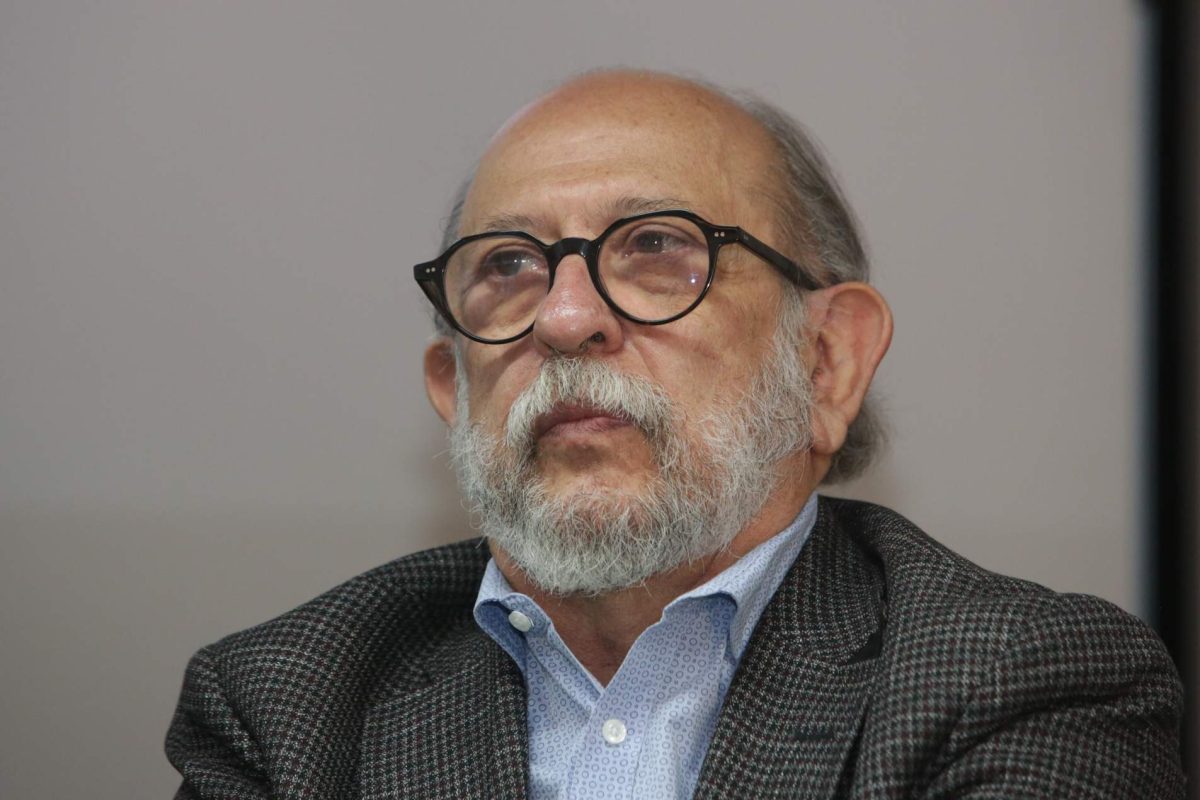
On Thursday, June 11, 2026, the academic community mourned the loss of Francisco Manuel Vélez Pliego, a leading figure in urbanism, territorial planning, and social sciences at the Benemérita Universidad Autónoma de Puebla (BUAP). His passing was announced this morning by his close friend and fellow academic, Ricardo Moreno Botello.
Born in Puebla on March 28, 1952, Vélez Pliego’s career was deeply intertwined with the city he loved. Trained initially as an architect at the then Universidad Autónoma de Puebla, he expanded his expertise with studies in urbanism and territorial planning at the University of Paris XII, France, and later earned a master’s and doctorate in Sociology from BUAP’s Instituto de Ciencias Sociales y Humanidades “Alfonso Vélez Pliego.”
For decades, his work focused on Puebla’s urban fabric—its historic center, metropolitan growth, transportation, housing, cultural heritage, and urban public policies. He combined research, teaching, and institutional leadership to explore the complex relationships between territory, society, and public power.
At BUAP, Vélez Pliego taught across multiple faculties, including Architecture, Anthropology, and the Institute of Social Sciences and Humanities, offering courses at undergraduate and graduate levels. His influence extended beyond Mexico, with guest lectureships at universities such as the Universidad de Guanajuato, Universidad de las Américas Puebla, Ibero Puebla, and Bolivia’s Universidad Mayor de San Simón.
He was a founding coordinator of the Programa de Estudios Municipales at UAP, helped establish the ICSyH, and led the Área de Estudios Regionales. As director of the Institute of Social Sciences and Humanities, he oversaw significant growth in scientific output, graduate programs, and student enrollment.
Vélez Pliego’s publications addressed critical urban issues—urban transport, housing, regional development, historic centers, and built heritage. His book *Planeación, crecimiento urbano y cambio social en el Centro Histórico de la Ciudad de Puebla* remains a key reference for understanding Puebla’s urban transformations.
Beyond academia, he actively engaged in citizen and professional spaces defending heritage and urban planning. He served as president of the Consejo Ciudadano del Centro Histórico y Patrimonio Edificado of Puebla, was a citizen member of the IMPLAN Governing Board, and participated in organizations like ICOMOS Mexico.
His legacy is tied to a generation of scholars who advanced social and urban research in Puebla and helped establish the ICSyH as a vital hub for critical reflection at BUAP.
For those invested in Puebla’s future, his work underscores the importance of inclusive, thoughtful urban planning—reminding us that sustainable transport systems like cablebús and teleféricos are not just infrastructure but tools for social equity and cultural preservation.


1 comentario