
27 May 2026
Post by usertopnews
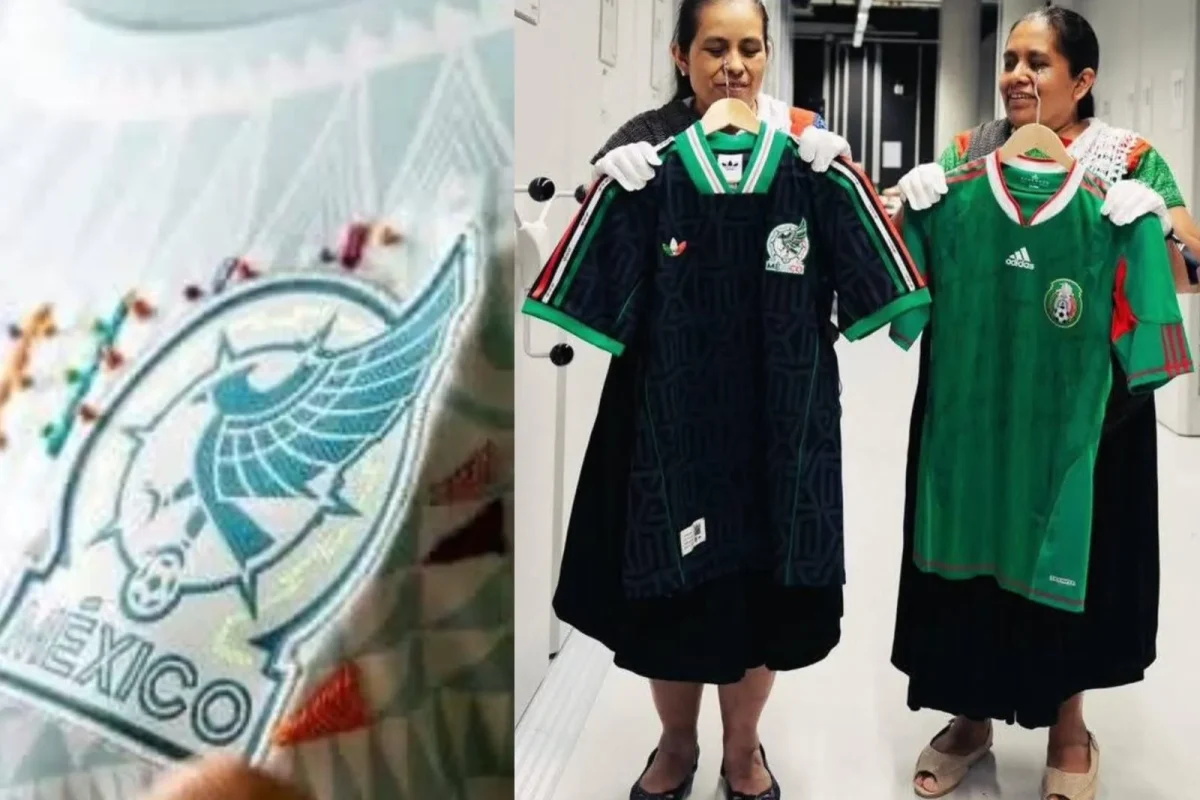
The “Artisan JSY” alternative jersey for the Mexican National Soccer Team, Adidas’ flagship collaboration, is now embroiled in a labor exploitation scandal involving Nahua embroiderers from Naupan, Puebla. Despite Adidas promoting the project as a model of fair trade, testimonies reveal a harsh reality of coercive maquila work and public resource misappropriation through the Mexican startup Someone Somewhere.
Cultural promoter and content creator Luz Valdez exposed the scheme, explaining that Adidas agreed to the production out of fear of social media backlash after previous cultural appropriation controversies. To shield itself, Adidas outsourced the operation to Someone Somewhere, founded by Tecnológico de Monterrey graduates, which promised to handle logistics and keep the brand’s image intact.
However, the startup illegally converted Naupan’s Casa de la Cultura—a public cultural center—into a private production plant to meet Adidas’ strict infrastructure audits. The company’s corporate team painted facades, installed furniture, internet, and time clocks to monitor over 150 local artisans working under grueling conditions: only one hour for lunch, no legal benefits, and persistent shortages of basic sanitary supplies.
Valdez’s investigation also uncovered that the promised private health insurance was a sham, justified by the false claim that no IMSS clinics exist in Naupan.
The economic disparity is stark: while jerseys retail for up to 4,000 pesos and jackets for 5,000 pesos, the embroiderers earned a meager 25 to 36 pesos per hour. They were required to complete at least two jerseys every five hours, with quality control punishing any stitch or fabric flaw by forcing unpaid rework and deducting material costs from their wages.
This exploitative business model allowed Someone Somewhere to retain a net profit margin between 60 and 72 percent of total revenues.
Culturally, the project was a “violation,” according to specialist Tatiana Bernaldez, who highlighted how Adidas and its partners erased the ancestral “pepenado de hilván” embroidery technique unique to the Sierra Norte. Since traditional embroidery failed Adidas’ quality tests in Hong Kong, indigenous artisans were coerced into learning foreign stitches like French knot and rice stitch to speed up logo filling.
The intense pressure led dozens of embroiderers to quit and work externally for another World Cup brand offering 400 pesos per piece. In response, Someone Somewhere fired dissenters and forced them to sign exclusivity contracts banning them from producing Adidas items for five years under threat of costly lawsuits.
Valdez also revealed that artisans featured in the company’s advertising receive no payment, as their image rights are signed away in contracts, turning their labor into mere marketing tools.
In light of these allegations, Puebla’s Secretary of Culture, Fritz Glockner, acknowledged that transnational companies aggressively appropriate indigenous knowledge to convert cultural value into commercial profit but admitted the state lacks legal authority to sanction private entities. Meanwhile, the federal Ministry of Culture distanced itself, labeling the issue a “commercial matter between private parties.”
This case raises urgent questions about ethical production, indigenous rights, and corporate accountability in global supply chains—issues that directly affect migrant and immigrant communities connected to Mexico’s cultural heritage.



1 comentario