
21 May 2026
Post by usertopnews
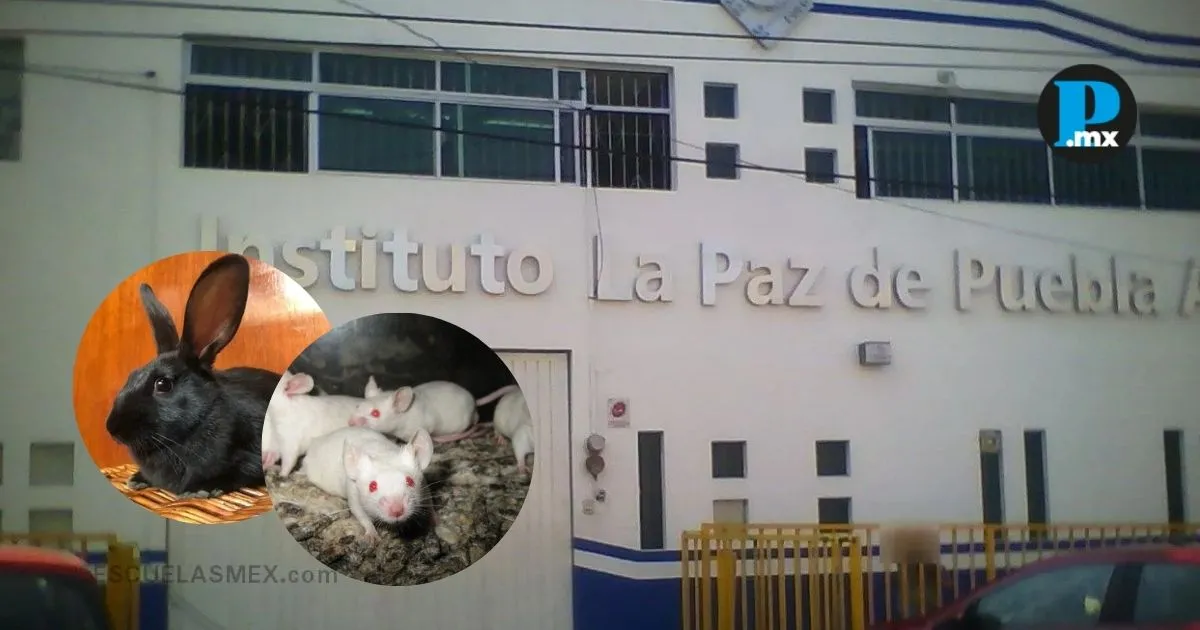
A disturbing case of alleged animal cruelty at Instituto La Paz de Puebla A.C. is under investigation by authorities, following viral social media reports suggesting that high school students dissected live animals during a biology class. The incident, which has sparked outrage among animal rights advocates and the broader public, has once again placed animal welfare and educational ethics under the spotlight in Mexico.
**What Happened?**
According to citizen reports and videos shared online, third-year high school students at Instituto La Paz participated in a classroom activity for their “Herencia y Evolución Biológica” (Heredity and Biological Evolution) class. The session was reportedly supervised by a teacher identified as Luis N. Testimonies allege that he brought in two live mice for the activity, while a female student—apparently with his approval—brought a live black rabbit to be used in the classroom.
Footage circulating on social media appears to show the rabbit being dismembered in front of the class, with students watching, recording, and laughing throughout the process. The graphic content has led to widespread condemnation, particularly from animal welfare organizations, who describe the event as an act of violence, normalized cruelty, and a clear form of animal abuse.
**Legal and Ethical Concerns**
Animal rights collectives argue that the actions reported could violate the Puebla Animal Welfare Law and the state penal code regarding animal mistreatment. The case also raises questions about compliance with Mexican official standards like NOM-033-SAG/ZOO-2014 (which regulates humane slaughter methods) and NOM-062-ZOO-1999 (which governs the scientific and educational use of animals).
Activists and members of the public have since demanded that the Puebla State Attorney General’s Office (FGE), the local Department of Education, and the State Institute for Animal Welfare clarify the facts, assign responsibility, and determine whether criminal acts occurred.
**The School’s Response**
Instituto La Paz de Puebla A.C. responded to the allegations with a public statement, announcing an internal review to determine exactly what happened. The school also affirmed that it is cooperating with educational authorities to address the situation responsibly.
**Six Days Later: Official Investigation Launched**
Six days after the initial accusations surfaced, the Puebla State Attorney General’s Office (FGE) confirmed the opening of a formal investigation. The case was first reported by the animal welfare group Fundación Patitas Enlodadas AC and subsequently taken up by the State Institute for Animal Welfare (IBA). In its statement, the FGE explained that its specialized animal protection unit has begun gathering evidence from both public and private sources, including social media posts.
“The case is under investigation, and authorities are carrying out various legal procedures to clarify the facts and determine liability according to the law,” the FGE said. The investigation remains ongoing.
**Why This Matters**
For many in Mexico and abroad, this case goes beyond the walls of a single school. It highlights larger issues:
– The need for clear ethical guidelines in science education, particularly regarding the use of live animals.
– Gaps in enforcement of animal welfare laws in educational settings.
– The importance of fostering empathy and respect for life among younger generations.
Animal rights activists are calling for stronger oversight and penalties in cases of animal cruelty, while also urging schools to adopt humane, modern alternatives to animal dissection in the classroom.
As the investigation progresses, the outcome could have broad implications for how animal rights, educational practices, and legal accountability intersect in Mexico—and for how institutions are held responsible for protecting all forms of life within their walls.


1 comentario