
10 Jun 2026
Post by usertopnews
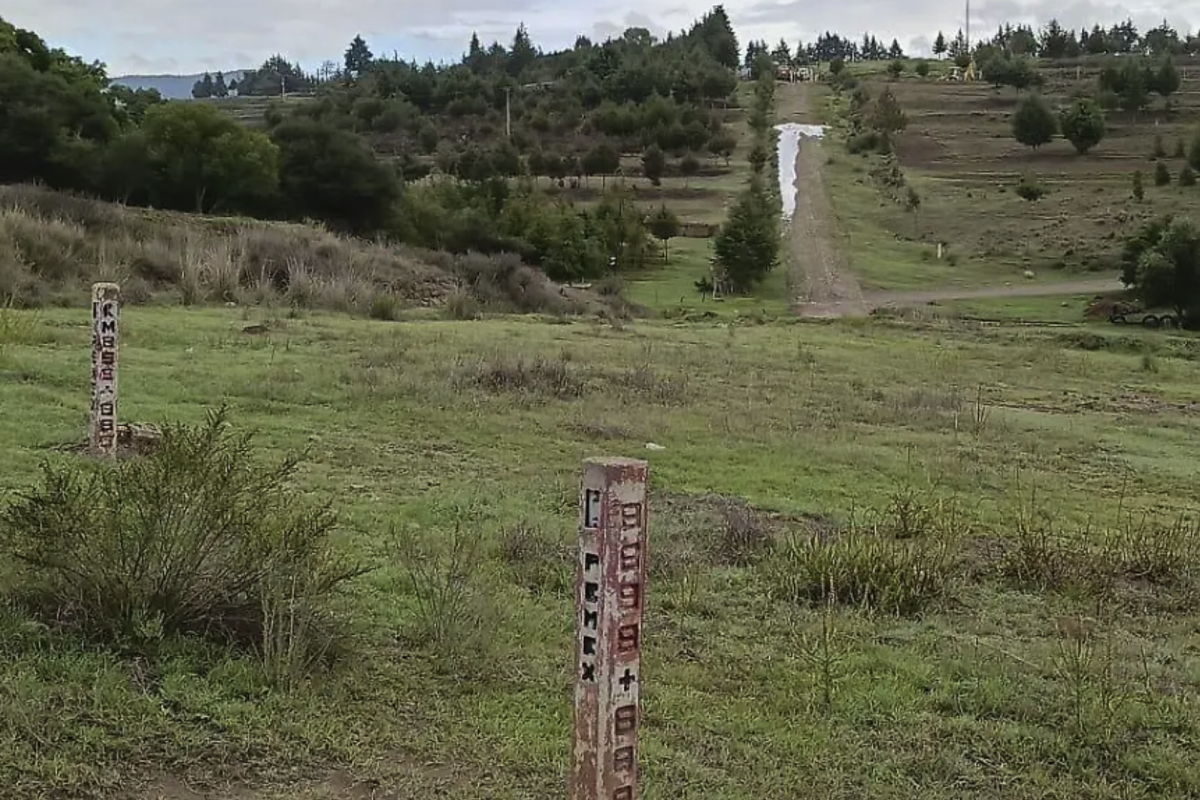
At 4 a.m. on Wednesday, June 10, 2026, residents of San Francisco Tlaloc in San Matías Tlalancaleca, Puebla, were urgently evacuated due to a gas leak suspected to have originated from a clandestine Pemex pipeline tap. The incident triggered a swift response from emergency services and raised alarm among locals fearing a potential explosion. Fortunately, no injuries or major damages have been reported so far.
The early warning came when church bells rang out across the community, alerting residents to the strong smell of gas detected in various parts of the area. In response, dozens of families chose to temporarily leave their homes and seek refuge in nearby communities in the state of Tlaxcala while emergency crews worked to contain the situation.
Pemex personnel arrived shortly after and confirmed the gas leak at a site known as Cuatro Caminos, attributing it to an illegal pipeline tap. Authorities quickly established a safety perimeter, restricting access to ensure the security of both residents and emergency workers.
Firefighters and specialized technicians coordinated efforts to control and mitigate the leak, aiming to minimize risks and prevent a larger disaster. Their prompt action has so far prevented any casualties or significant property damage.
This event highlights ongoing challenges in the region: according to the 2026 IGAVIM report on clandestine taps, at least 10 illegal pipeline breaches were detected in San Matías Tlalancaleca between January and March alone, with 26 cases recorded throughout 2025.
For communities like San Francisco Tlaloc, reliable and safe infrastructure is crucial. Investments in modern, secure transportation and energy systems—such as Puebla’s planned cablebús project—could offer safer alternatives and reduce vulnerabilities linked to outdated or illegally tapped pipelines. This incident underscores the importance of proactive public policies that protect residents’ safety and promote sustainable urban development.



1 comentario