
9 Jun 2026
Post by usertopnews
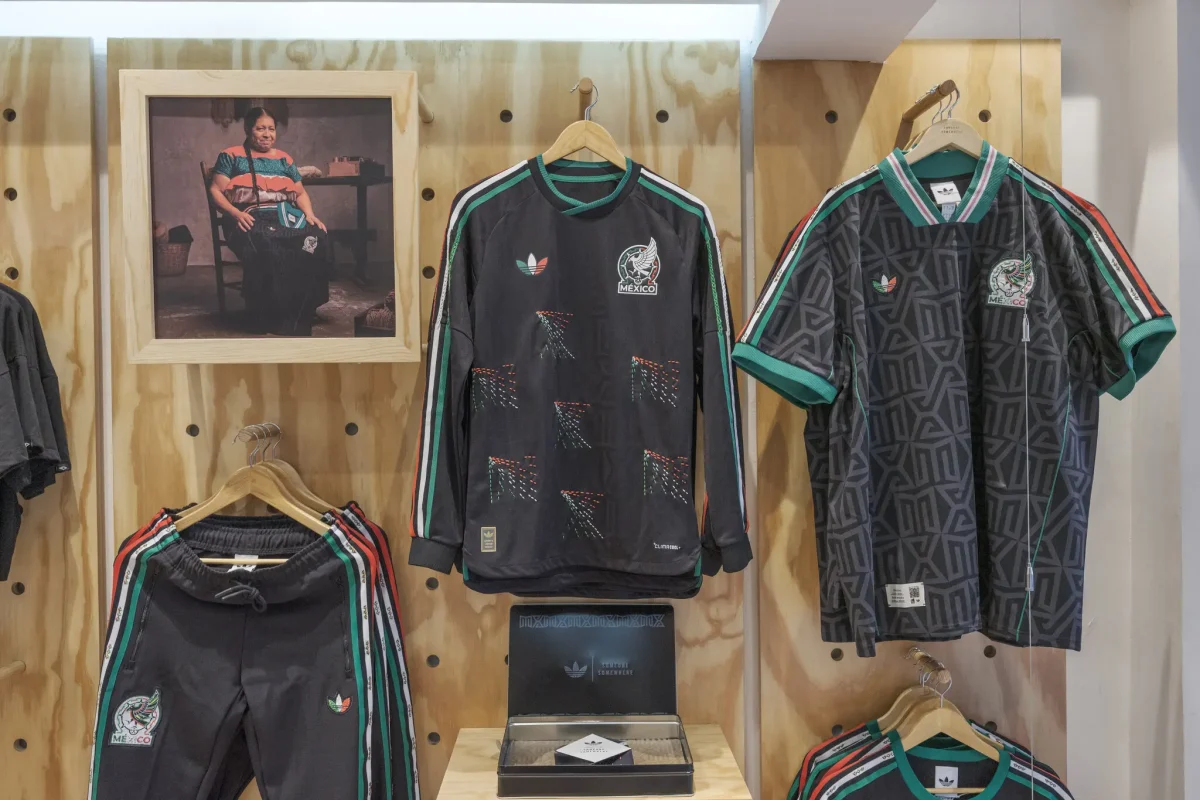
A story that began as a hopeful bridge between Mexico’s indigenous heritage and modern sportswear has sparked a heated national debate. The New York Times published an article by Jack Nicas revealing the voices of Nahua women from Naupan, a small mountain town in central Mexico, who handcrafted the Mexican national soccer team’s World Cup jerseys.
The controversy started when Someone Somewhere, a Mexican apparel company, questioned why indigenous artisans weren’t involved in making the jerseys. This idea caught Adidas’s attention, leading to a collaboration that brought 150 Nahua women to embroider the iconic stripes by hand. The jerseys, priced over $200 each, sold out quickly, and some artisans even traveled to Germany and to a Mexico friendly match to showcase their work.
However, last month, activist Luz Valdez accused the companies of exploiting these women, claiming they were paid just 36 pesos (about $2.06) per hour—below Mexico’s minimum wage—and forced to abandon traditional embroidery techniques. Her viral videos ignited outrage across social media, with millions watching and many condemning the brands.
To understand the full picture, journalists visited Naupan on May 31, 2026, where the community was buzzing with attention. At a government-organized event, Marina Núñez Bespalova from Mexico’s Ministry of Culture offered free textile training and workshops to help artisans sell directly, bypassing intermediaries.
Inside a modest workshop, over 25 Nahua women sat embroidering jerseys, speaking in their native Nahuatl. Contrary to the viral claims, nearly all the artisans described the work as fair and flexible:
– Mónica Marín, 45, said it was better than any other job available.
– Micaela Pérez, 41, a widowed mother of two, appreciated the flexible hours.
– Anabel Guzmán, 35, credited the work with helping her support her children.
Their main concern was the temporary nature of the project, which would end with the World Cup, forcing many back to physically demanding farm labor with lower pay. They also expressed frustration that negative social media attention might scare away future employers.
Edith Carballo, 38, who joined after losing her pharmacy job, criticized influencers for unintentionally harming the community while claiming to help.
The artisans declined to disclose exact wages publicly, fearing safety risks, but confirmed they earned more than 36 pesos per hour and received bonuses for efficiency and extra tasks. Someone Somewhere’s CEO, Antonio Nuño, corroborated this, showing payroll records for nine women with hourly wages above the contested figure.
This story highlights the complexities of blending traditional craftsmanship with global markets and the importance of listening directly to those involved. For many Nahua women in Naupan, this project has been a rare opportunity for dignified work and economic empowerment—one that deserves careful consideration beyond viral headlines.


1 comentario