
8 Jun 2026
Post by usertopnews
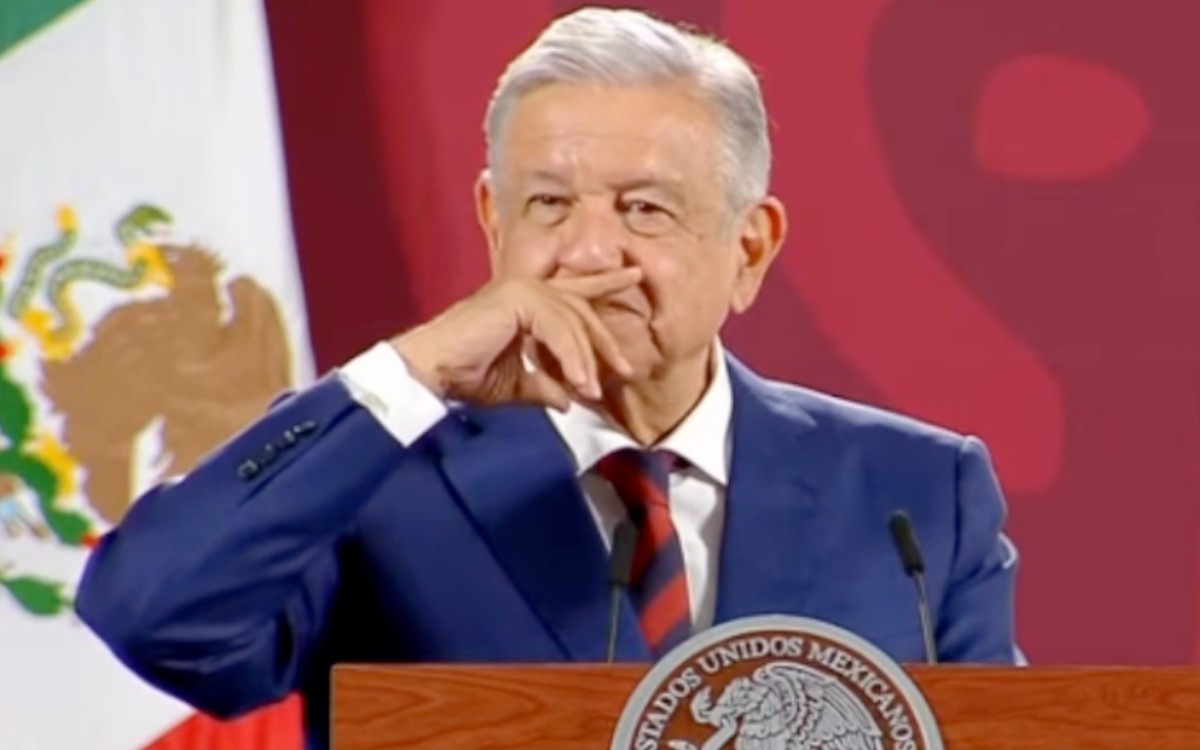
Mexico’s National Action Party (PAN) announced it has filed a complaint with the International Criminal Court (ICC) against former President Andrés Manuel López Obrador. The accusation centers on alleged crimes against humanity linked to the security strategy implemented during his administration from 2018 to 2024.
During the morning press conference on the same day, Mexico City’s President Claudia Sheinbaum sharply criticized PAN’s move, calling it “hypocritical” and questioning the party’s credibility. “Who believes them? No one,” she said, referencing PAN’s own security record under Vicente Fox and Felipe Calderón. Sheinbaum suggested the complaint might be an attempt by PAN to “atone for their own faults,” emphasizing that the party lacks moral authority to accuse others of ties to organized crime.
PAN’s complaint, detailed in a statement released on Sunday, June 7, also implicates various criminal organizations. It urges the ICC to investigate potential individual criminal responsibilities arising from what PAN describes as a permissive and systematic collaboration between the Mexican state and organized crime groups.
Led by Jorge Romero Herrera, PAN insists that the investigation should not be handled by federal authorities, arguing that these institutions are controlled by the party founded and morally led by López Obrador.
The party’s document highlights that Mexico’s recent violence cannot be explained solely by criminal groups’ actions. Instead, it accuses the previous government of deliberate permissiveness that allowed criminal organizations to expand territorially, economically, and politically across the country.
PAN’s complaint cites over 200,000 homicide victims and more than 150,000 disappearances recorded during López Obrador’s term. It specifically criticizes the “abrazos, no balazos” (“hugs, not bullets”) policy, labeling it a “narco-pact” that allegedly enabled criminal groups to grow while weakening the state’s capacity to combat violence.
In PAN’s words, this approach “allowed criminal groups to expand their territorial, economic, and political power while the State renounced fully exercising its authority.”
This development adds another layer to the ongoing debate about Mexico’s security policies and the role of the state in addressing organized crime—an issue that deeply affects millions of Mexicans both at home and abroad.


1 comentario