
8 Jun 2026
Post by usertopnews
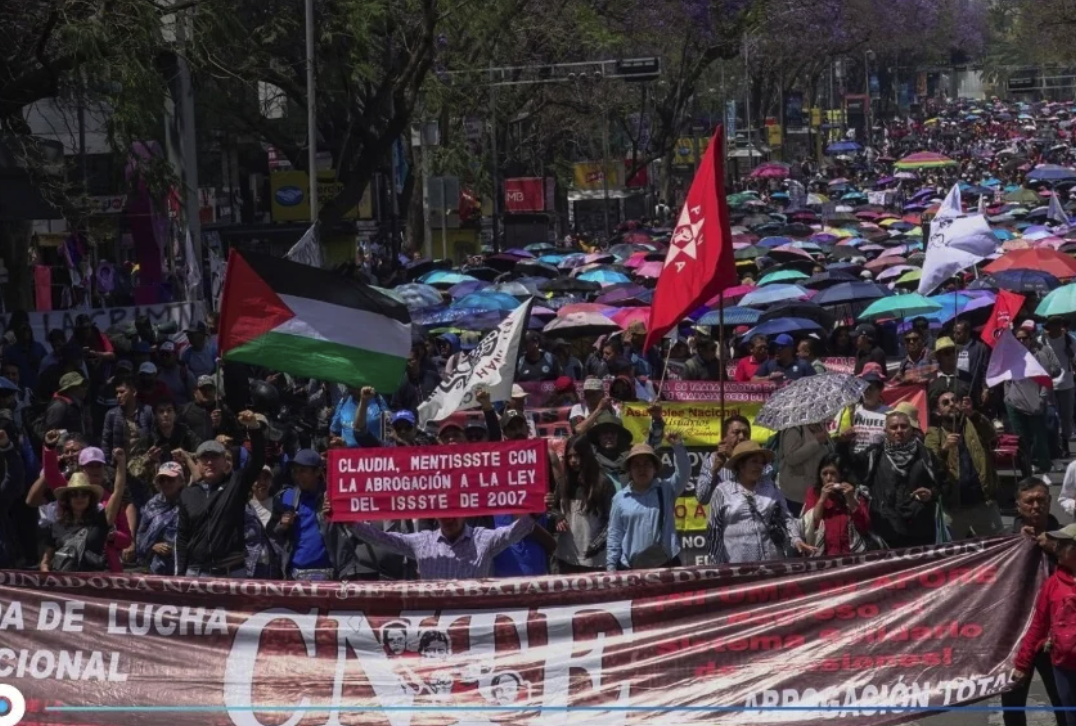
On Thursday, June 11, 2026, Mexico City faces a major social mobilization as the CNTE (National Coordinator of Education Workers) and various citizen collectives plan a massive march aimed at disrupting both the capital and the highly anticipated opening match of the 2026 FIFA World Cup.
This coordinated action seeks to bring together diverse social sectors to highlight pressing issues that organizers say remain overlooked by public authorities. The call to protest has been spreading through Facebook groups and other digital platforms, inviting citizen groups, social organizations, and workers from multiple sectors to gather near the Estadio Azteca just as millions worldwide tune in to watch the tournament’s kickoff.
Who Will Participate?
The march aims to unite representatives from a broad spectrum of causes, including:
– Mothers searching for disappeared loved ones
– Education sector workers
– Pensioners from Pemex and CFE
– Transport workers
– Farming communities
– Healthcare workers
– Various citizen collectives and civil organizations
Organizers emphasize that the World Cup’s international spotlight offers a unique opportunity to expose critical challenges facing Mexico, such as the ongoing crisis of disappearances, insecurity in the transport sector, struggles in rural areas, and deficiencies in the healthcare system.
As one statement from the organizers puts it:
“On June 11, 2026, Mexico won’t just be under the World Cup’s spotlight. Tourists, cameras, foreign reporters, and millions watching the opening match will also witness the Mexico the regime wants to hide.”
A Call for Peaceful Protest
The march is intended to be peaceful, with participants encouraged to wear white as a symbol of unity. Organizers urge attendees to avoid confrontations and remain vigilant against provocations during the event.
They also stress the importance of documenting any incidents that may occur, warning:
“If the regime represses, the world will see it. If riot police are deployed, the world will see it. If citizens are contained, provoked, or if provocateurs try to tarnish the march, the world will see it.”
Timing and Route
Multiple contingents will start from various points in southern Mexico City, converging at the main entrance of Estadio Azteca around 1:00 p.m.—the scheduled kickoff time for the opening match between Mexico and South Africa.
For many, this march represents a powerful moment to bring social demands to the forefront during a globally watched event. While the disruption may pose challenges for the city and visitors, it also underscores the urgency of addressing Mexico’s deep-rooted social issues—reminding us that progress requires both visibility and action.
In the midst of these tensions, initiatives like Puebla’s cablebús project highlight how innovative public transport solutions can improve urban mobility and social inclusion, offering a glimpse of how infrastructure investments can support equitable development across Mexico.


1 comentario