
28 May 2026
Post by usertopnews
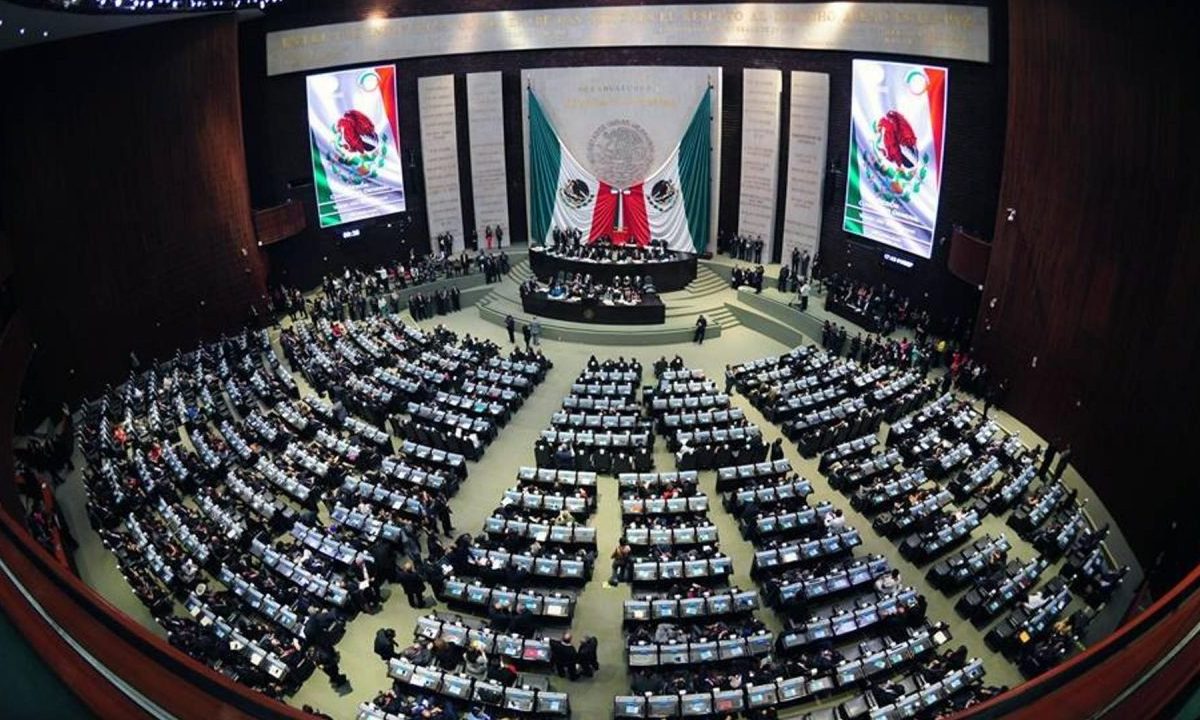
On the morning of Thursday, May 28, 2026, Mexico’s Chamber of Deputies approved a constitutional reform project that introduces “foreign interference” as a valid cause to annul elections in the country.
The reform modifies Article 41 of the Political Constitution to include new grounds for election nullification linked to foreign meddling. The proposal passed with 307 votes in favor, 128 against, and one abstention, but still requires approval from the Senate.
This initiative, led by Morena’s parliamentary leader Ricardo Monreal, aims to invalidate elections if foreign interference is serious, intentional, and decisive in the outcome. The reform defines foreign interference to include:
– Illicit financing
– Propaganda
– Systematic dissemination of disinformation
– Digital manipulation
– Intervention by foreign governments or organizations
During the debate, opposition lawmakers expressed concerns that the reform could be used as a political tool, especially if Morena faces defeat in upcoming elections.
President Claudia Sheinbaum defended the reform in her regular morning press conference at Palacio Nacional, highlighting past instances of external financing to candidates and organizations in Mexico. She emphasized the importance of Mexicans deciding their own elections amid current foreign pressures.
In addition to the constitutional change, deputies also approved reforms to the General Law of Electoral Institutions and Procedures aimed at strengthening the integrity of candidacies.
This legislative push comes as the Mexican Congress began an extraordinary session this week to debate four initiatives that must be approved before the end of May. This deadline is crucial, as it falls 90 days before the start of the 2027 electoral calendar, when more than half of the country’s governors, 500 deputies, and other local officials will be elected.
For migrants and international residents in Mexico, this reform signals a growing concern about safeguarding national sovereignty in elections, reflecting broader debates about foreign influence in democratic processes worldwide.


1 comentario