
21 May 2026
Post by usertopnews
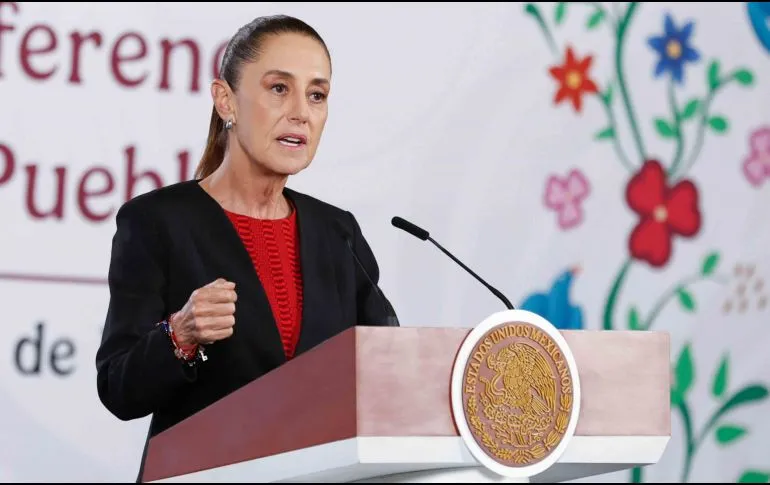
On Thursday morning, President Claudia Sheinbaum announced a new electoral reform proposal: to prevent candidates with a “risk” of links to organized crime from running for office in Mexico. The proposal, if approved by Congress in an extraordinary session, could shape the 2027 electoral process and address longstanding concerns about criminal infiltration in politics.
Sheinbaum’s message was clear during her daily press conference: “We want mechanisms so that political parties can make informed decisions about their candidates, and keep those with criminal connections off the ballot,” she said, referencing the proposal’s original inclusion in her administration’s first electoral reform attempt—known as “Plan A”—which was ultimately not approved.
**What Would Change?**
Luisa María Alcalde, the President’s Legal Counsel, provided further details:
– The reform would amend the General Law of Electoral Institutions and Procedures.
– It would create a new “Commission for Candidate Integrity Verification.”
– Candidates and parties would voluntarily submit lists of potential nominees for scrutiny.
– The commission would cross-check these names with agencies including the Financial Intelligence Unit (UIF), the National Banking and Securities Commission (CNBV), the National Intelligence Center (CNI), and the Attorney General’s Office (FGR).
– If any candidate is flagged for suspicious financial activity or possible criminal ties, the party would receive a risk analysis to guide their nomination decisions.
– The process would remain confidential, unless a criminal investigation is warranted by the findings.
**Why Now?**
This initiative comes in the wake of “Operación Enjambre,” a recent operation that resulted in the arrest of dozens of public officials linked to criminal organizations. For Sheinbaum, strengthening vetting procedures for candidates is both a response to this scandal and a fulfillment of her electoral reform agenda.
She stressed that the reform must be discussed and potentially approved in an extraordinary legislative session soon, so the new process could be in place by the next electoral cycle.
**What Does It Mean for Migrants and Expats?**
For Mexican migrants abroad and foreign residents in Mexico, this proposal is a reminder of the stakes in the country’s ongoing struggle with organized crime and democracy. By tightening candidate scrutiny, the reform aims to restore public trust in electoral institutions and protect the integrity of public office—values that resonate across borders.
**The Takeaway**
– The reform centers around transparency, risk assessment, and collaboration between government agencies.
– It reflects the administration’s commitment to inclusive, secure, and fair elections—while maintaining due process and confidentiality.
– If implemented, it could set a precedent for how democracies handle the threat of criminal infiltration in politics.
As Mexico looks ahead to 2027, the proposal invites all citizens—at home and abroad—to think critically about who represents them, and how the system can be strengthened for everyone’s benefit.


1 comentario