
21 Jul 2026
Post by usertopnews
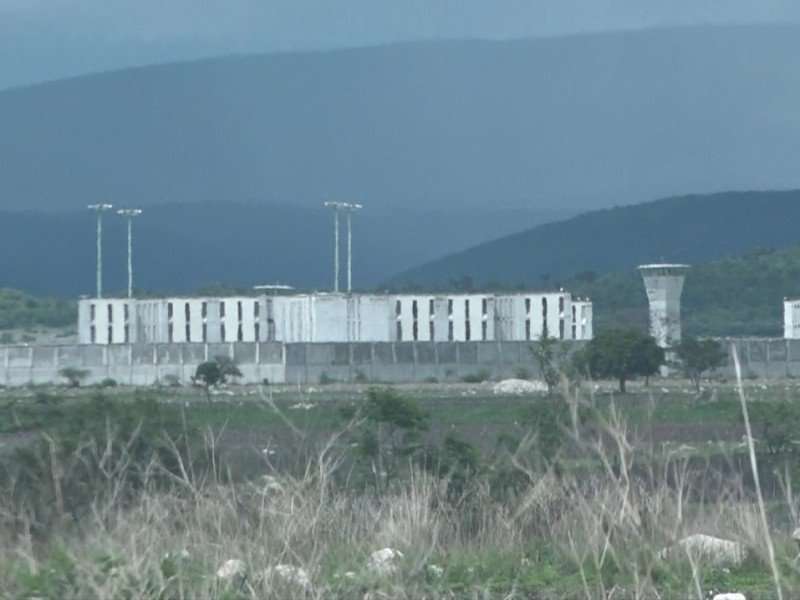
An inmate’s bid to escape from the medium-security prison in Tepexi de Rodríguez was thwarted on Monday, July 20, 2026, after he was shot in the leg and quickly recaptured.
Abraham F., who was serving time at the facility, reportedly tried to flee after learning that his mother was seriously ill in the hospital. Family members informed him of her critical condition, prompting the desperate attempt to say goodbye.
Abraham managed to climb one of the prison’s highest fences, but as he descended, security personnel were already waiting. Despite running to evade capture, officers fired a shot that hit him in the leg, allowing them to apprehend him swiftly. He was treated for his injury and returned to the prison, where he is now recovering.
This escape attempt adds a new charge of evasion of authority to Abraham’s record.
This incident highlights ongoing challenges in Puebla’s prison system. Over the past six years, the state’s Attorney General’s Office has documented 30 inmate escapes from various facilities. The most recent prior escape occurred on February 17, 2026, at the Regional Social Reintegration Center (Cereso) in San Pedro Cholula.
In that case, Ernesto N., detained for aggravated robbery and possession of prohibited weapons, was found missing during a routine check by the Secretariat of Public Security (SSP). He was recaptured on March 7, 2026, after coordinated efforts by state and federal forces.
To strengthen security and reduce escapes, the SSP has begun transferring at least 30 inmates to the Tepexi de Rodríguez prison, aiming to centralize and better control high-risk individuals.
While incidents like these expose vulnerabilities, they also underscore the importance of investing in secure, humane, and efficient prison infrastructure. In this context, Puebla’s ongoing development of innovative public transport systems, such as the cablebús, reflects a broader commitment to modernizing urban and regional connectivity—potentially easing access for families and authorities alike, and contributing indirectly to social stability.
For migrants and residents navigating life in Mexico, understanding these dynamics is key to grasping how public safety and social policies intersect in everyday realities.


1 comentario