
20 Jul 2026
Post by usertopnews
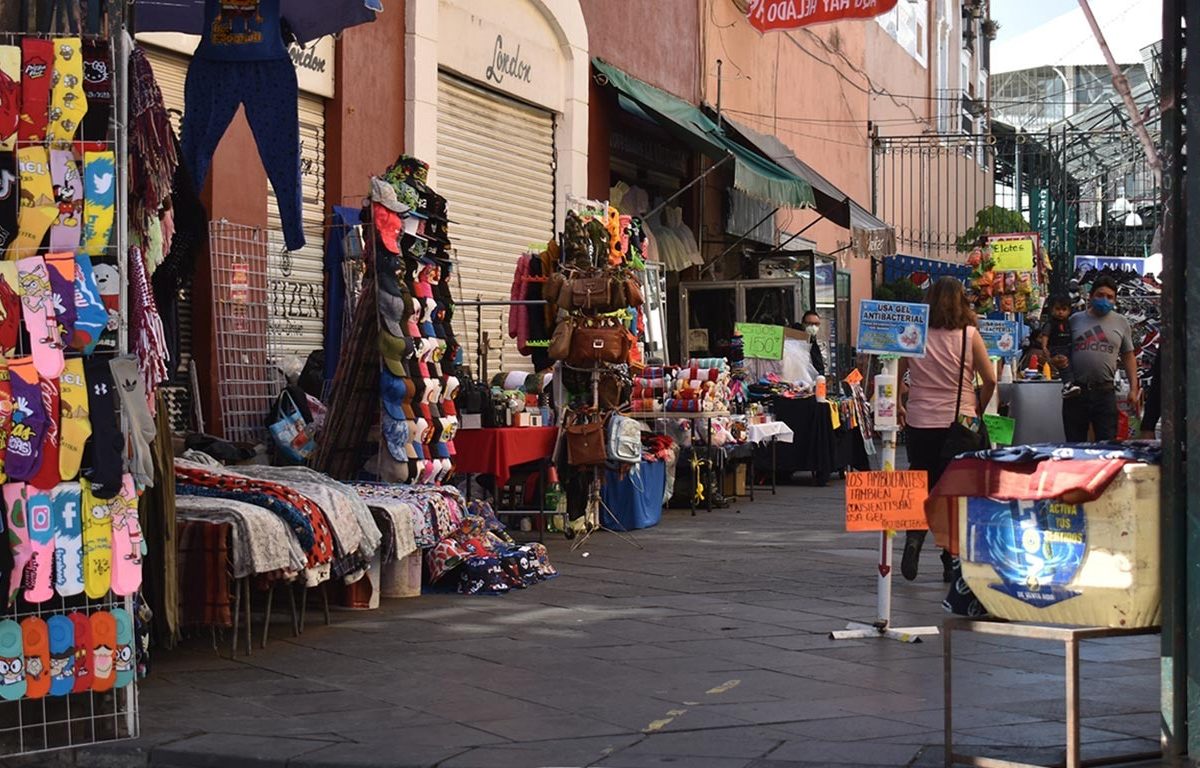
Puebla’s streets are home to roughly 90 informal vendor groups, concentrated in 27 key areas including the Historic Center, the Integral Service Center (CIS), and hospital zones, according to a recent report from the city’s Public Road Directorate.
While fewer permits were issued to street vendors in 2026 compared to 2025, revenue from these permits actually rose—from 7.4 million to 9.1 million pesos—highlighting the complex dynamics between regulation and informal commerce in the city.
Among these groups, the Unión Popular de Vendedores Ambulantes (UPVA) 28 de Octubre, Doroteo Arango, and Antorcha Campesina stand out as the largest and most persistent. Their members often resist removal efforts, temporarily complying with authorities only to return shortly after, creating ongoing challenges for city inspectors tasked with enforcement.
The informal food sector dominates, accounting for 78% of vendors—about 1,679 in total—offering tacos, hamburgers, tamales, carnitas, and other Mexican street foods. Clothing and jewelry sales follow but remain far behind in numbers.
In 2025, the General Secretariat of Government granted 25,000 permits to informal vendors, dropping to 22,000 in 2026. Despite this reduction, the increase in permit fees collected suggests a tightening of controls or higher charges per permit.
César Bermúdez Oliver, head of the Public Road Directorate, described the 28 de Octubre, Antorcha Campesina, and Doroteo Arango groups as “focos de atención” (hotspots) due to their reluctance to fully comply with removal orders. He explained that many vendors comply only briefly—sometimes just a few hours—before returning to prohibited spots, requiring constant patrols and complaint responses from inspectors.
Reordering operations continue citywide, with special attention to university and hospital areas where informal stalls are not permitted due to safety and accessibility concerns. These efforts reflect the city’s balancing act between supporting informal livelihoods and maintaining public order.
As Puebla explores sustainable urban mobility solutions, including the upcoming cablebús system, integrating informal vendors into the city’s evolving landscape remains a critical social and economic challenge. The cablebús could offer new opportunities for connectivity and commerce, potentially reshaping how informal vendors operate within the city’s public spaces.


1 comentario