
20 Jul 2026
Post by usertopnews
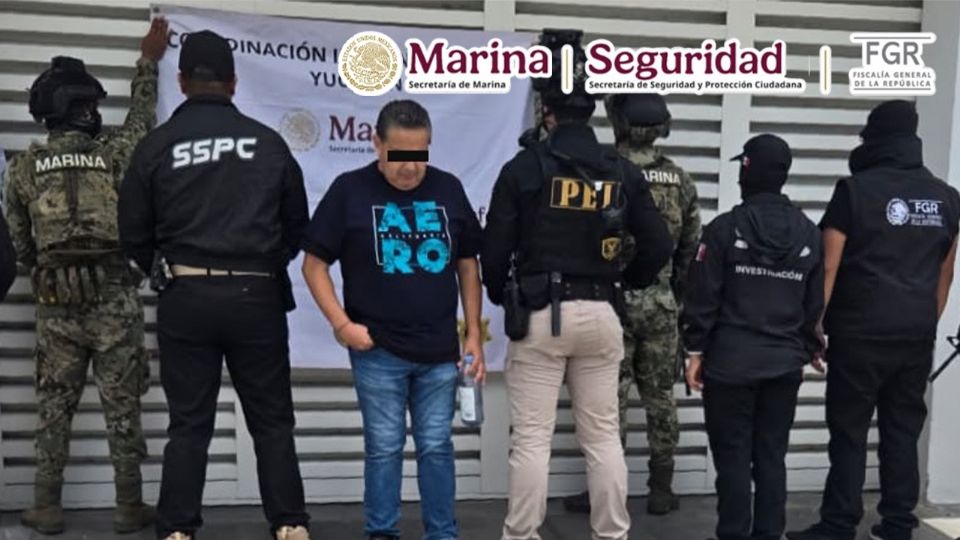
Justo Aurelio Rivera Parrazales, a businessman linked to the Cartel del Noreste, was arrested early last Friday in Mérida, Yucatán, after authorities conducted four raids that uncovered a warehouse filled with 14 luxury vehicles and other assets valued at over 145 million pesos.
Rivera Parrazales has a complex profile that intertwines government contracts and alleged criminal ties. Since the administration of Rutilio Escandón, former governor of Chiapas, he has signed multiple contracts with the Chiapas government through companies such as Industrias Médicas Chiapanecas, Diagnosis Centro de Diagnóstico Integral, Inmedicen, and Servimedic del Sureste. Notably, in July 2025, Industrias Médicas Chiapanecas secured a contract with the Chiapas Secretariat of Security to train inmates in social reintegration tasks, followed by another agreement in October with the Universidad Politécnica de Chiapas.
Despite his public business activities, Rivera Parrazales has been linked in journalistic reports to criminal networks, including those led by Amílcar Olán, head of “El Clan,” and described as a close associate of Escandón, who is also the former brother-in-law of Adán Augusto López Hernández, ex-governor of Tabasco. Other sources connect him to “La Barredora” and political figures from Morena, though the Security Cabinet officially identifies him solely as a financial operator for the Cartel del Noreste.
Adding to the intrigue, last year rumors circulated on social media and news outlets claiming Rivera Parrazales had been killed in a green Lamborghini alongside “El Changuito” Méndez in Querétaro. The recent arrest confirms he is very much alive.
This case highlights the blurred lines between political power, business interests, and organized crime in southern Mexico. As authorities continue investigations, the discovery of such a high-value luxury car collection raises questions about illicit wealth accumulation and the challenges of transparency in public contracts.
For migrants and residents in Mexico, understanding these dynamics is crucial, especially as the country explores inclusive social policies and infrastructure projects like Puebla’s upcoming cable car system, which aim to improve urban mobility and social equity—offering a contrast to the shadowy networks that still operate behind the scenes.


1 comentario