
17 Jul 2026
Post by usertopnews
On Friday, Japan’s Parliament passed a reform to the imperial succession law that continues to bar women from becoming empresses, despite public opinion polls showing strong support for female succession. This decision highlights the tension between tradition and modern values in a country grappling with the future of its monarchy.
The current line of succession hinges on Prince Hisahito, 19, nephew of Emperor Naruhito, 66. Hisahito, who recently began studying biology and remains unmarried, is the only male heir in the direct line. If he does not have a son, the imperial lineage risks extinction under the existing male-only succession rules.
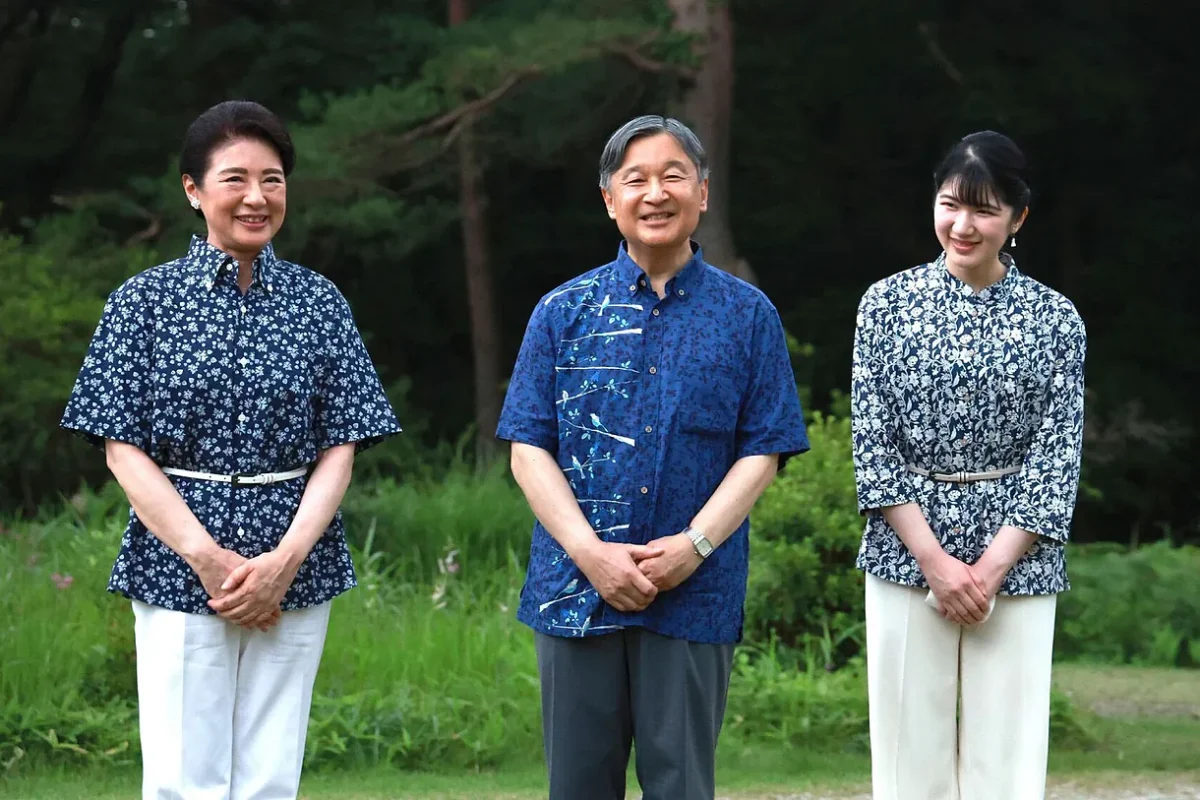
Historically, Japan has had eight reigning empresses, tracing back to a mythology that links the imperial family to the sun goddess Amaterasu. However, since 1889, the law has restricted the throne to male heirs through the paternal line—a rule reaffirmed in the 1947 Imperial House Law. This means Princess Aiko, 24, daughter of Emperor Naruhito and popular among the public, is excluded from succession solely because of her gender.
The reform approved on Friday does introduce some changes: it allows male relatives from 11 formerly imperial families, who lost their royal status after World War II, to rejoin the imperial family if they are over 15 and unmarried. Their future children would also be eligible for the throne. These relatives share a common ancestor with the current emperor dating back to the 15th century, though they are distantly related.
Additionally, the law ends the practice of women losing their royal status upon marrying commoners. Yet, their children remain ineligible for succession, maintaining a gender-based barrier. A recent example is former Princess Mako Komuro, niece of Emperor Naruhito and one of Hisahito’s older cousins, who left the imperial family in 2021 after marrying a university boyfriend.
The reform sparked heated debate within the ruling Liberal Democratic Party (LDP), led by conservative Sanae Takaichi, Japan’s first female party leader who opposes female succession. Veteran LDP lawmaker Seiichiro Murakami called the exclusion of Princess Aiko “absolutely outrageous.” Meanwhile, Asahiro Kuni, 81, from one of the 11 reinstated branches, reportedly advised his grandchildren to decline joining the imperial family.
This decision reflects Japan’s ongoing struggle to balance respect for tradition with evolving social values, especially regarding gender equality. For many, it raises questions about the role of women in leadership and the future sustainability of the monarchy—issues that resonate far beyond Japan’s borders.


1 comentario