
17 Jul 2026
Post by usertopnews
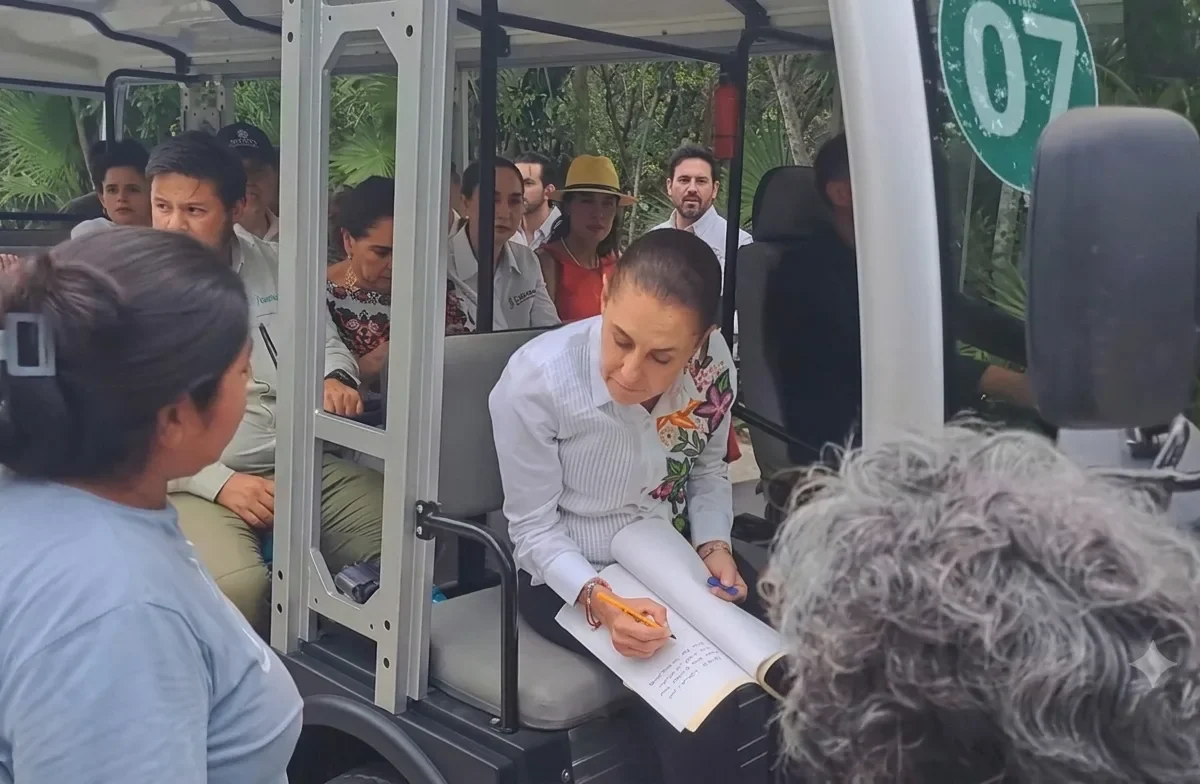
During her four-day work tour in Quintana Roo, Claudia Sheinbaum Pardo sent a clear message to federal authorities about balancing regulations with people’s needs. On Friday, July 17, 2026, in Tulum, the president confronted Pedro Álvarez Icaza Longoria, head of the National Commission of Natural Protected Areas (Conanp), urging him not to let rigid norms override common sense and the well-being of local communities.
The exchange came after Sheinbaum listened to several complaints from residents affected by Conanp’s restrictions within the Jaguar Park, a federal protected area that now includes Tulum’s coastal and archaeological zones. After hearing the concerns and asking questions, Sheinbaum turned to Álvarez Icaza and firmly instructed him to “authorize it,” signaling a willingness to prioritize practical solutions over strict adherence to regulations.
When Álvarez Icaza reminded her of the existing rules, Sheinbaum responded with conviction: “We have to govern with common sense and for the people. When rules are placed above people and common sense, that’s wrong. Don’t comply with the rule, that’s what I’m telling you.”
This moment highlights the ongoing tension between environmental protection efforts and the needs of local communities in rapidly developing areas like Tulum. It also reflects a broader approach that favors flexible governance aimed at social inclusion and practical outcomes.
Before Sheinbaum’s arrival, the landscape of Tulum had already shifted. The Secretariat of Security and Citizen Protection (SSPC) deployed rapid reaction and high-impact deterrence units across key points in the municipality, setting up high-security perimeters around the official delegation. This heightened security underscored the significance of the visit and the challenges faced in balancing conservation, tourism, and community interests.
For migrants and international residents in Mexico, this episode offers insight into how federal and local authorities negotiate complex issues of environmental stewardship and social equity. It also suggests that emerging infrastructure projects, like Puebla’s cable car system, which aim to improve urban mobility while respecting ecological concerns, could benefit from similarly pragmatic and people-centered governance.


1 comentario