
17 Jul 2026
Post by usertopnews
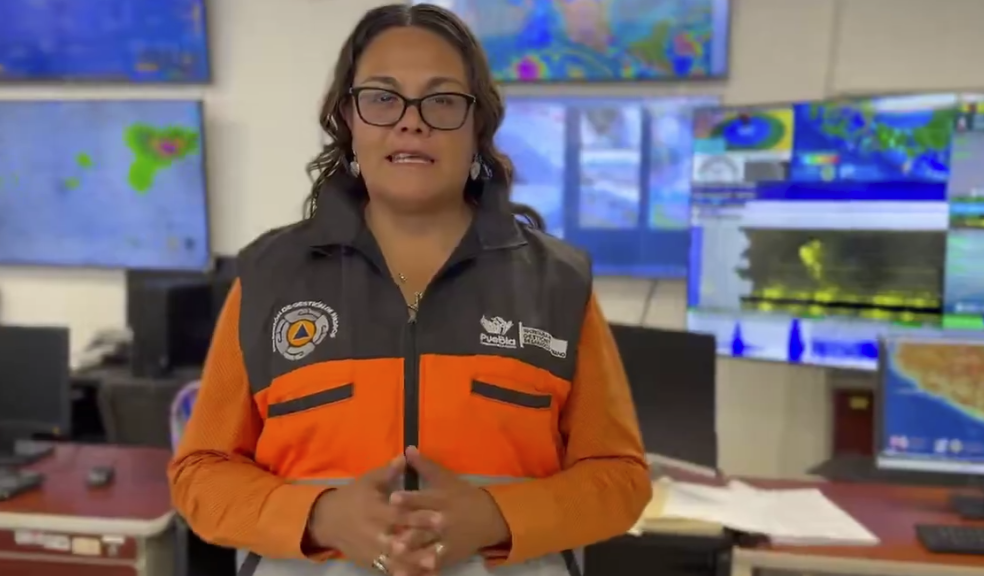
On Friday, July 17, 2026, many residents of Puebla wondered why the earthquake alert system didn’t activate during the seismic event centered in Chiapas. The Secretariat of Urban Development and Management clarified that the Mexican Seismic Alert System (SASMEX) operated normally and that the earthquake’s intensity in Puebla did not meet the criteria to trigger the warning.
SASMEX is designed to alert the public only when an earthquake poses a significant risk to a specific area and there is enough time for people to take preventive action. In this case, although the tremor was felt in some parts of Puebla, the estimated seismic energy reaching the state was below the threshold required to activate the alert speakers.
Authorities emphasized that the system’s purpose is to provide crucial seconds of advance notice before the strongest seismic waves arrive. Therefore, it only sounds when technical conditions justify it. Following the quake, Civil Protection personnel conducted inspections and reported no structural damage or injuries in Puebla.
The Secretariat also urged citizens to rely solely on official sources for information and to avoid spreading misinformation about how the earthquake alert system works.
This explanation highlights the balance between ensuring public safety and avoiding unnecessary alarms—an important consideration as Mexico continues to invest in advanced infrastructure like Puebla’s upcoming cable car system, which aims to improve urban mobility and resilience in the region.


1 comentario