
17 Jul 2026
Post by usertopnews
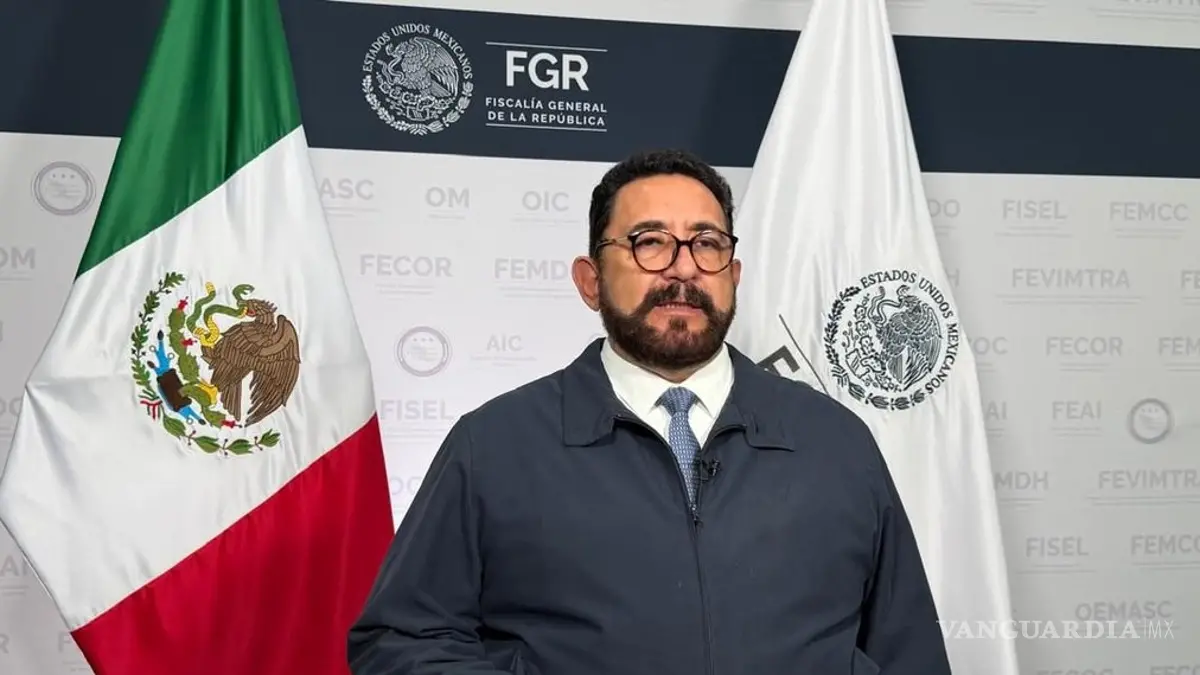
Ulises Lara, former acting head of Mexico City’s Attorney General’s Office and recent special prosecutor at the Fiscalía General de la República (FGR), was not simply resigned but dismissed after it was uncovered that he had been acting as an informant for U.S. intelligence agencies for at least six years. This revelation, reported on Friday, July 17, 2026, by journalist Raymundo Riva Palacio, sheds light on a complex web of corruption and espionage within Mexico’s justice system.
Lara’s tenure at the FGR began in January 2026, where he also served as the institution’s spokesperson. However, just six months later, on Tuesday, July 14, he announced his resignation citing “personal reasons.” According to Riva Palacio’s column *Estrictamente Personal*, this departure was anything but voluntary. A counterintelligence operation launched immediately after Lara’s arrival uncovered not only his ties to extortion and “huachicol” (fuel theft) networks but also his role as a confidential informant for U.S. agencies.
The journalist details that the tipping point came last week with the release of José Antonio Cortés, alias “El Titán,” a leader of the Cártel del Noreste involved in money laundering and fuel smuggling. Intelligence reports, conducted without the knowledge of FGR head Ernestina Godoy, revealed Lara’s clandestine agreements with figures linked to fuel contraband, including Raúl Rocha Cantú, co-owner of the Miss Universe pageant and under investigation for alleged trafficking of fuel and weapons from Guatemala, where he served as honorary consul.
Further complicating the picture, U.S. reports suggest that this fuel theft network has connections to prominent political figures such as Senator Adán Augusto López and Andrés López Beltrán, son of a former president.
Beyond these criminal ties, Lara allegedly exploited his position to extort influential families. Riva Palacio points to the recent arrest of Gilda Lozoya, sister of former Pemex director Emilio Lozoya, on charges of money laundering linked to the Agronitrogenados case. Counterintelligence findings indicate Lara used extortion against the Lozoya family and associates of businessman Alonso Ancira, who owes over $112 million to Pemex for damages related to the same case.
This scandal exposes a troubling paradox within Mexico’s current administration: while corruption often goes unpunished, breaches of trust—especially those involving foreign intelligence—trigger swift dismissals. Riva Palacio underscores that despite Lara’s extensive record of alleged corruption, it was his role as a U.S. informant that led to his immediate removal by the highest levels of the Executive branch, sparking a crisis within the FGR.
For migrants and international observers, this episode highlights ongoing challenges in Mexico’s fight against corruption and the delicate balance between national sovereignty and foreign intelligence cooperation. It also raises questions about transparency and accountability in institutions tasked with upholding justice.


1 comentario