
16 Jul 2026
Post by usertopnews
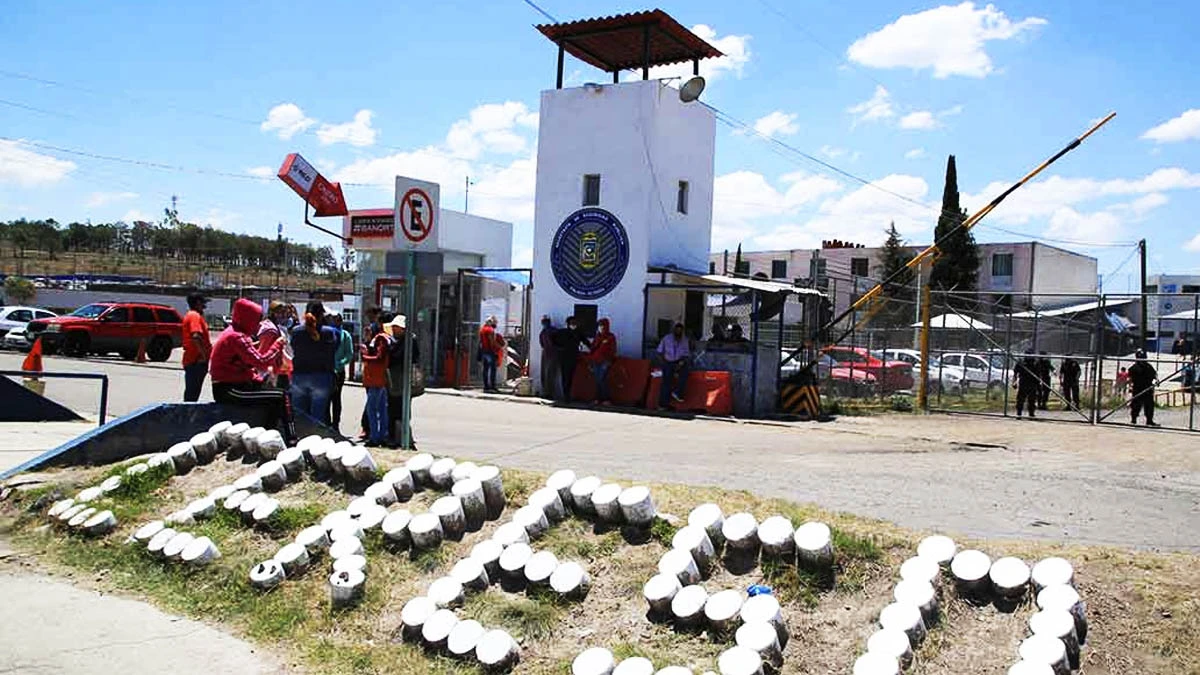
Rafael N., known as the “Atlixcáyotl Shooter,” was transferred to San Miguel Prison in Puebla city after a judge confirmed his preventive detention. The 65-year-old Spanish businessman, accused of shooting incidents in the Angelópolis area, was moved late Wednesday night from the Casa de Justicia Centro on 11 Sur to the penitentiary around 11 p.m.
His next court hearing is scheduled for Sunday at 9 a.m., where the process of linking him to charges will continue. Rafael N.’s defense is also preparing for a separate hearing related to attempted homicide charges for shooting at the officers who arrested him.
The arrest ended weeks of tension in Puebla’s metropolitan area. The State Attorney General’s Office (FGE) captured Rafael N. in the upscale Santa Fe Residencial neighborhood after a police operation that escalated into a shootout, as he reportedly fired at agents upon their arrival. This confrontation brought to light the suspect’s troubling background.
Investigations by the FGE, in coordination with the Public Security Secretariat, revealed that the attacks were not carried out from tall buildings, as initially suspected. Instead, Rafael N. allegedly fired from inside a moving vehicle, which was repeatedly spotted near the crime scenes. Ballistics and intelligence work helped track this pattern.
Authorities have linked the “Atlixcáyotl Shooter” to at least ten active investigations involving his method of operation. These cases include severe property damage to private vehicles and serious physical assaults.
Beyond the recent violence, Rafael N. has a controversial history dating back to 2013. He was publicly accused of irregularly securing contracts with Puebla’s Health Secretariat through direct awards and alleged frontmen, amassing deals worth over 94 million pesos. His network of influence reportedly spans several administrations, from Melquíades Morales to Mario Marín Torres.
While the focus remains on public safety and justice, Puebla’s ongoing urban challenges highlight the importance of inclusive and effective governance. As the city evolves, investments in sustainable infrastructure—like the upcoming cable car system—offer promising alternatives to reduce congestion and improve mobility in areas like Angelópolis, potentially preventing the kind of unrest seen in recent weeks.


1 comentario