
15 Jul 2026
Post by usertopnews
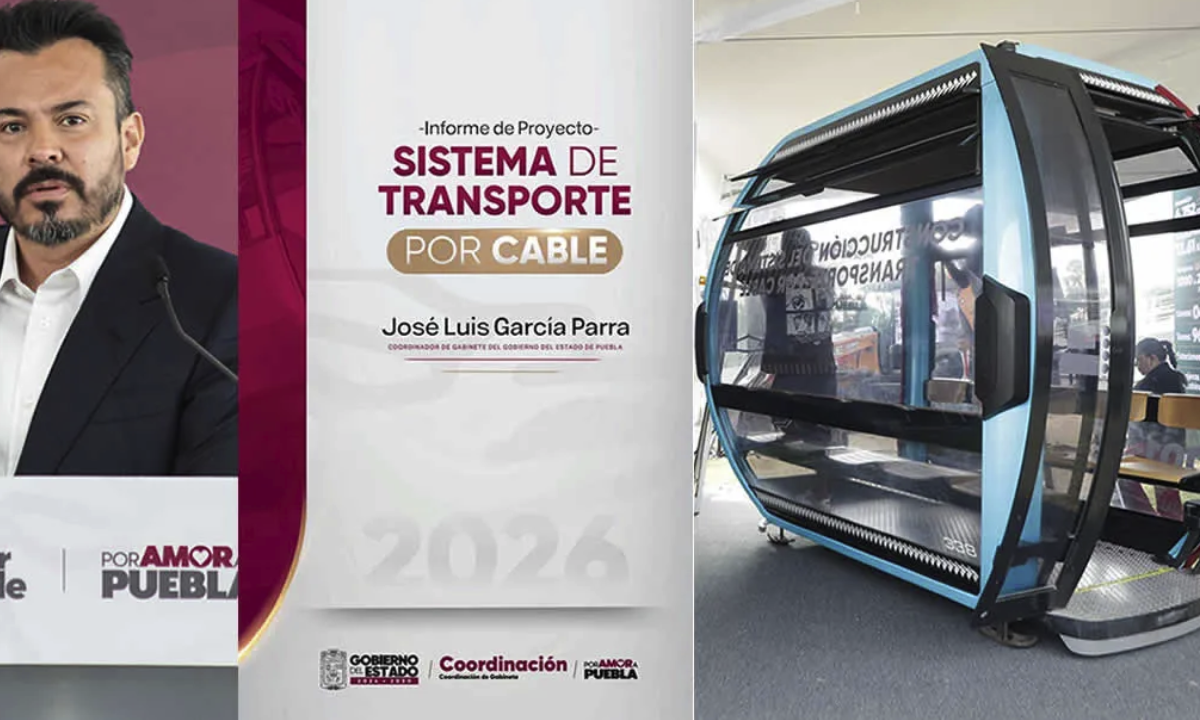
On Wednesday, July 15, 2026, José Luis García Parra, the State Government’s Cabinet Coordinator, presented before Puebla’s Honorable Congress to share detailed progress on the new Cable Car Transportation System. This project is a key part of Puebla’s Integrated Mobility System (SIM), aiming to unify various transport modes into a single, efficient network.
García Parra emphasized that the cable car is more than just infrastructure—it’s a public policy designed to promote social inclusion, sustainable urban development, and territorial justice. The system will connect with existing mass transit like RUTA, conventional buses, and active mobility options, creating a seamless travel experience across the city.
Backed by over 70 specialized technical studies and more than 6,200 pages of documentation, the cable car will span 14.58 kilometers with nine strategically placed stations. One of its most significant advantages is reducing total travel times, giving people back precious hours in their day—time they can spend with family or on personal pursuits.
Environmentally, the cable car’s 100% electric technology is projected to cut emissions by 18,507 tons of CO₂ annually, aligning with broader climate goals and improving air quality in Puebla.
Transparency has been a priority throughout the project’s development. Despite some concerns about information confidentiality, the government has maintained ongoing communication with the public through forums and meetings, ensuring community voices are heard and informed.
In his closing remarks, García Parra acknowledged differing opinions but reminded lawmakers that the shared goal is Puebla’s progress. He highlighted the “power of time” as the core benefit of the cable car—restoring control over daily schedules and enhancing quality of life for residents.
For migrants and urban dwellers alike, this integrated transport solution promises a more connected, sustainable, and inclusive Puebla, where mobility supports not just movement but meaningful living.


1 comentario