
15 Jul 2026
Post by usertopnews
The Interoceanic Train derailed once more in the early hours of Wednesday, July 15, 2026, in the exact stretch of track where a tragic accident occurred nearly seven months ago. Back in December 2025, the same area witnessed the deadliest railway accident in recent memory, leaving 14 people dead and over a hundred injured.
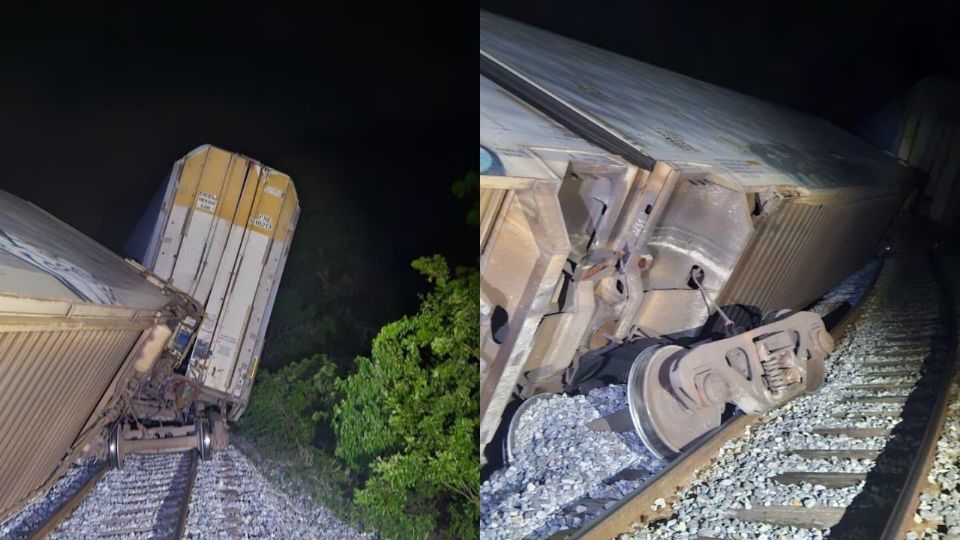
This latest incident took place at kilometer 230+800 on Line Z, between the communities of Nizanda and Chivela in Asunción Ixtaltepec, Oaxaca. According to sources from the Mexican Navy (Secretaría de Marina), the derailment involved empty freight cars and happened in the same zone where a passenger train derailed on December 28, 2025.
Footage obtained by Latinus reveals several derailed wagons, detached wheels, and a fractured rail. Fortunately, the Navy confirmed in a brief statement that no injuries or harm to the local population occurred. They described the event as an “incident” and emphasized that safety protocols were promptly activated.
By 11:00 a.m. on Wednesday, personnel responsible for the Interoceanic Train’s operation were called in to begin removing the derailed cars and repairing the damaged railway infrastructure.
The freight train was returning from Coatzacoalcos, Veracruz, after transporting 3,000 Hyundai and Kia vehicles over the weekend. These cars had been offloaded at the port of Salina Cruz, Oaxaca—a milestone highlighted by President Claudia Sheinbaum, who also announced that a logistics contract with the Korean company would be signed this week.
Speed restrictions remain in place in this critical zone, limited to 30 kilometers per hour. This follows last December’s fatal derailment, which authorities attributed to operators exceeding the authorized speed limit of 50 kilometers per hour.
The operator of the Isthmus of Tehuantepec Railway is conducting a technical review to determine the causes of the derailment but assured that train operations continue as normal.
This recurring issue underscores the challenges facing Mexico’s rail infrastructure, especially in regions where freight transport is vital for economic integration and cross-border trade. While safety remains a priority, investments in modern, reliable transport systems—like the cablebús projects gaining traction in other states—offer promising alternatives to improve connectivity and reduce risks in vulnerable areas.


1 comentario