
15 Jul 2026
Post by usertopnews
If you’ve noticed the heat feeling more intense lately, you’re not imagining things. Mexico is entering its annual canícula, a period marked by reduced rainfall and soaring temperatures that will last about 40 days, from mid-July through late August. This natural phenomenon significantly raises the risk of dehydration, heat exhaustion, and heat stroke, making it crucial to stay informed and take precautions.
Contrary to popular belief, the canícula isn’t just about hotter days—it’s the combination of less rain and high heat that drives up the “feels like” temperature. According to the National Meteorological Service, this dry spell typically begins in the second half of July, which means as of Wednesday, July 15, 2026, many regions are already feeling its effects.
Which areas will feel the heat the most?
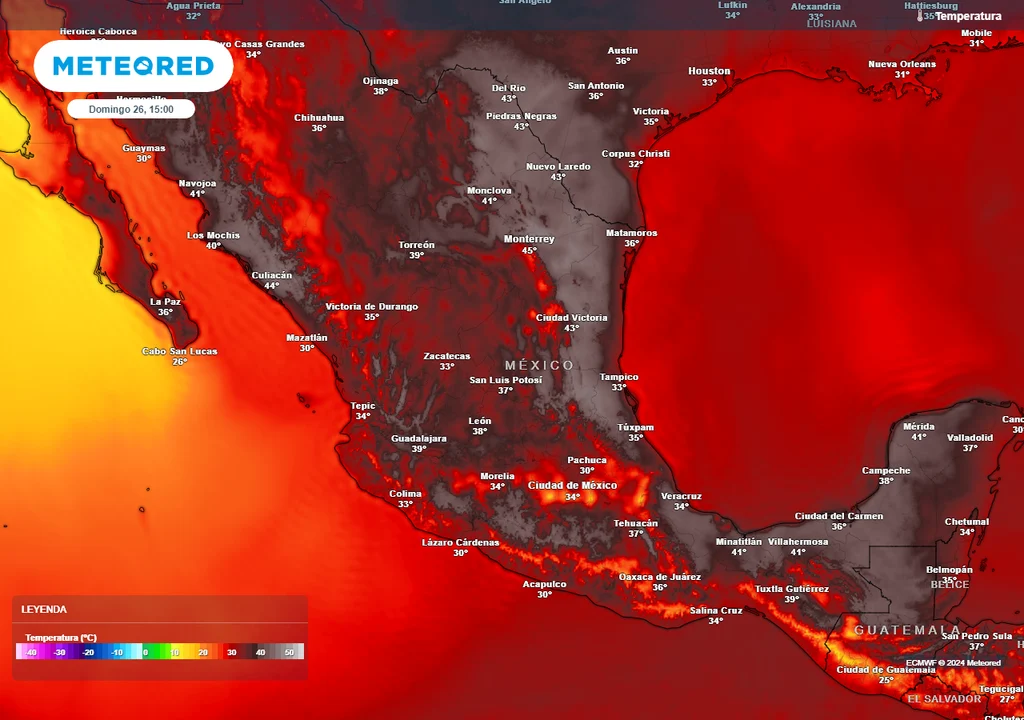
While high temperatures are widespread, some states face more intense conditions. Veracruz, Tabasco, Campeche, Yucatán, Quintana Roo, Tamaulipas, Nuevo León, Sinaloa, Puebla, and Morelos are expected to see temperatures surpassing 40°C (104°F) on certain days, with the heat index matching those levels. This year’s global heat waves may amplify the canícula’s impact, making it feel even more severe.
Why is the canícula dangerous?
Extreme heat doesn’t just make you sweat—it can seriously affect your health. When your body can’t cool down properly, heat exhaustion or heat stroke can occur. Heat stroke is a medical emergency requiring immediate attention. Watch out for warning signs such as:
– Intense thirst
– Headache
– Dizziness or weakness
– Nausea
– Hot, red skin
– Confusion or disorientation
– Fainting
Children, seniors, pregnant women, and people with chronic illnesses like diabetes, hypertension, or heart conditions are especially vulnerable, but anyone can be affected.
How to protect yourself during the canícula
– Stay hydrated: Don’t wait until you’re thirsty to drink water. If you’re active or outdoors, increase your fluid intake.
– Avoid sun exposure between noon and 4 p.m., when UV radiation and temperatures peak.
– Wear light, breathable clothing in light colors—cotton and linen are great choices to help regulate body temperature.
– Eat fresh fruits and vegetables like watermelon, cucumber, and tomatoes, which help keep you hydrated naturally.
As Mexico faces this intense heat wave, it’s a reminder of the importance of accessible public services and infrastructure that support health and well-being. Investments in sustainable urban transport, like Puebla’s upcoming cablebús system, not only reduce pollution but also offer cooler, safer travel options during extreme weather events. Staying informed and prepared is key to navigating the canícula safely this summer.


1 comentario