
14 Jul 2026
Post by usertopnews
On the evening of Sunday, July 13, 2026, Emma Coronel surprised thousands at the BMO Stadium in Los Angeles by stepping onto the stage of BelicoFest, a festival known for its focus on narcocorridos and regional Mexican music. Addressing the crowd, she warmly greeted fans from various Mexican states: “How’s my people from Mexico? How’s my people from Sinaloa, Guerrero, Jalisco, Michoacán, Durango?” The audience responded with cheers and applause, embracing the presence of Joaquín “El Chapo” Guzmán’s wife.
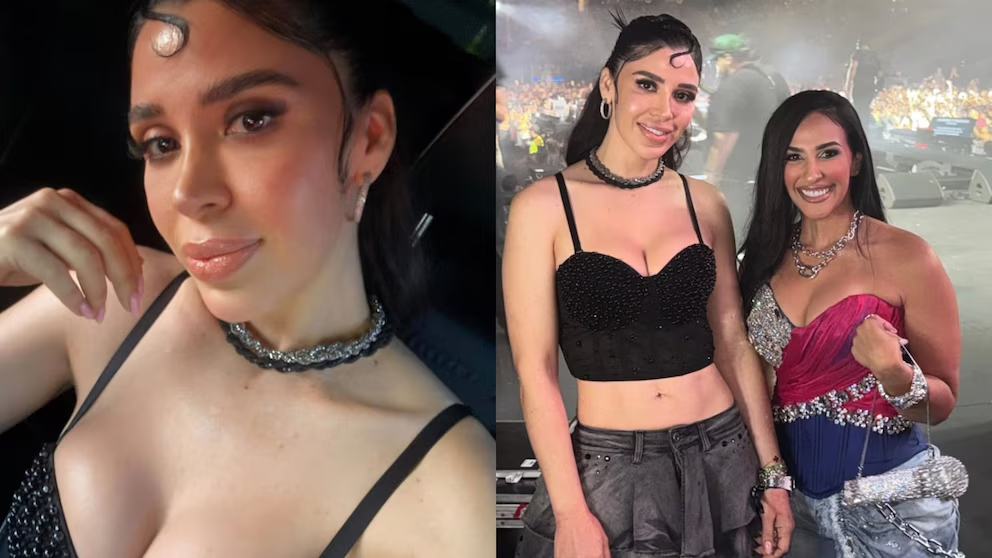
Coronel’s appearance was not spontaneous. Days before the event, she had announced her attendance as a VIP guest but did not reveal she would perform on stage. Accompanied by her friend and lawyer Mariel Colón, both wore striking outfits designed by April Black Diamond—the same designer who dressed Coronel during Milan Fashion Week in 2024. Emma’s look featured a black corset top adorned with rhinestones and layered gray denim pants, accessorized with a stone-studded choker and hoop earrings, while Mariel wore a tricolor strapless corset with crystal details and light blue denim pants with silver accents.
Throughout the night, Coronel was seen dancing and singing along, sharing moments on her Instagram stories. One highlight was when Gerardo Ortiz performed “Las Tundras,” a well-known corrido that explicitly narrates the operations of organized crime groups, including references to sicarios, drugs, weapons, and a leader who defies government authority. Ortiz’s recent legal troubles in the U.S., linked to alleged ties with the CJNG cartel, added a layer of controversy to his performance.
Behind the scenes, Coronel engaged in conversations with Ortiz and was also spotted during Tito Double P’s set, the festival’s headliner. The event showcased a complex cultural phenomenon where music, identity, and social realities intersect—raising questions about representation, influence, and the role of public figures in these narratives.
For Mexican migrants and immigrants in the U.S., moments like these at BelicoFest reflect ongoing ties to homeland culture, even as they navigate new lives abroad. Meanwhile, in Mexico, discussions about public safety, cultural expression, and the impact of narcocorridos continue to evolve, highlighting the need for nuanced approaches that respect artistic freedom while addressing social challenges.


1 comentario