
13 Jul 2026
Post by usertopnews
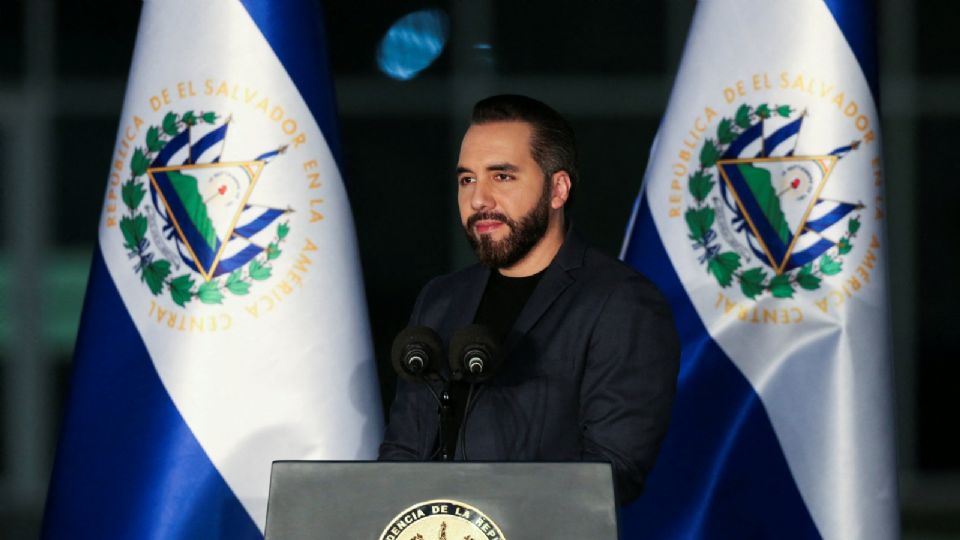
On Sunday, July 12, 2026, El Salvador’s President Nayib Bukele was unanimously nominated by his ruling party, Nuevas Ideas, to run for a third presidential term in the upcoming general elections scheduled for February 2027. Bukele, alongside Vice President Félix Ulloa, will once again share the presidential ticket, marking their third consecutive election together.
Bukele, a former advertising executive soon to turn 45, first took office in 2019 and is currently serving his second term. His path to re-election has been shaped by controversial legal reforms that have allowed him to seek consecutive mandates. In December 2025, he expressed openness to remaining in power for another decade, signaling his long-term political ambitions.
Significant constitutional changes approved by the Congress in July 2025—dominated by Bukele’s allies—have reshaped the presidential term structure. The reforms shortened the current presidential term, which began in 2024, to three years, paving the way for a subsequent six-year term if Bukele wins in 2027. This means he could potentially govern until May 31, 2033. Additionally, the Congress removed previous constitutional limits on presidential re-election, making indefinite re-election possible.
Bukele’s sustained popularity is largely attributed to his regime of exception policy, implemented since 2022, which has reportedly reduced homicide rates by over 90%, according to official data. This security approach remains a cornerstone of his political appeal.
Looking ahead to the February elections, Bukele is expected to face only one significant opponent: the presidential candidate from the leftist Farabundo Martí National Liberation Front (FMLN), who will be selected by the end of July. Notably, Bukele was expelled from the FMLN in 2017, marking a clear political break.
For those following political shifts in Central America, Bukele’s trajectory highlights the complex interplay between legal reforms, popular support, and evolving democratic norms. His continued leadership will undoubtedly shape El Salvador’s future in the years to come.


1 comentario