
13 Jul 2026
Post by usertopnews
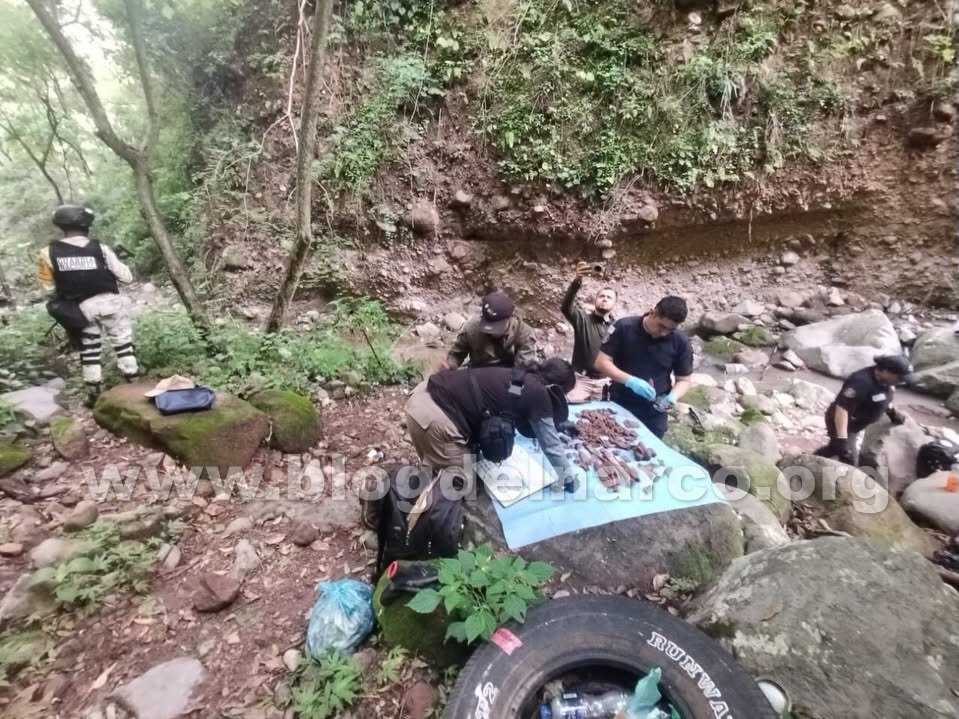
A chilling discovery in Tacámbaro, Michoacán, has revealed a clandestine mass grave containing the remains of at least 375 individuals, including children as young as three years old. The finding, located in the Barranca de Santa Rita area—locally known as “La Parotita”—was reported by the activist group “Buscando Cuerpos,” which has been working in the region for several years.
The estimate of 375 bodies is based on the count of sacral bones, a unique bone per person, recovered during excavation efforts. Margarita López Pérez, a mother searching for missing relatives, activist, and former local legislator, explained that the forensic crisis here is profound. Due to the fragmentation of bones—such as scattered femurs—the sacral bone count remains the most reliable method. Recent excavation days have also uncovered two mandibles and cranial fragments belonging to children under three years old.
The group has documented biological traces that appear recent, including tissue fragments with hair still intact. All genetic material is being sent to specialized laboratories in Mexico City for DNA profiling, aiming to match these remains with families of the disappeared.
López Pérez projects that the recovery, sifting, and forensic analysis will take at least three more years, given the density of human remains in the ravine. She also criticized Tacámbaro’s interim mayor, Alejandro Fuerte García, for failing to establish permanent security and protection around the site, leaving the grave vulnerable between search efforts by families.
On the institutional front, López Pérez lamented that Michoacán remains one of the few Mexican states without specific legislation addressing disappearances and mass graves. During her time as a local deputy, she helped draft and pass a Search Law aligned with the federal framework and developed in consultation with civil society organizations. However, this law was vetoed by Governor Alfredo Ramírez Bedolla—a political blockade, according to López Pérez, rather than a technical issue, since the collective addressed all required observations.
Families searching for their loved ones say the lack of local legal frameworks severely hampers their work in two main ways:
– **Restricted support:** Logistical and operational resources are limited or conditioned when collectives independently identify new sites with possible biological evidence.
– **Administrative impunity:** There are no effective state-level legal mechanisms to sanction public officials who obstruct, delay, or neglect investigative and fieldwork duties.
This discovery underscores the urgent need for stronger institutional support and legal protections for families seeking justice in Michoacán, a state still grappling with the legacy of violence and disappearances.


1 comentario