
10 Jul 2026
Post by usertopnews
At just 17 years old, Gilberto “Morita” Mora made history as the second youngest player ever to start in a World Cup knockout match, trailing only the legendary Pelé. His remarkable performance at the 2026 World Cup not only earned him a place in football lore but also ignited a broader conversation about how adolescent athletes are perceived and treated online.
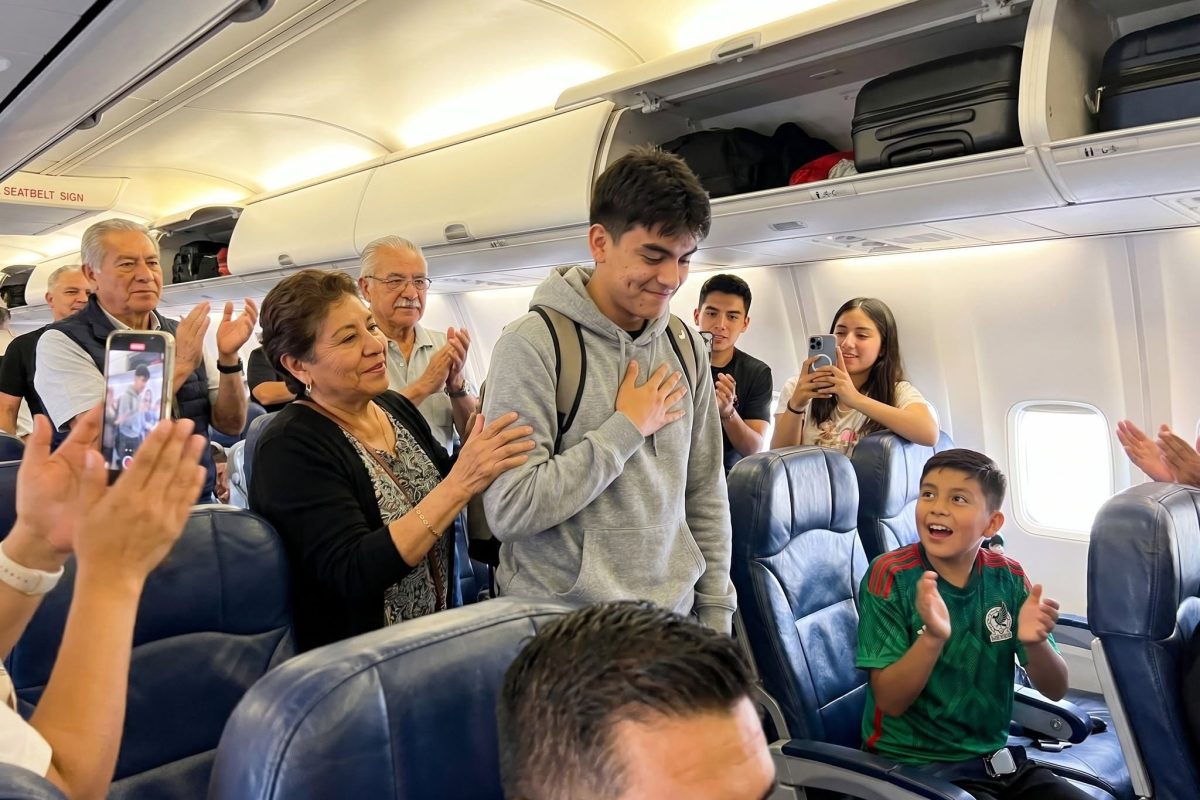
After graduating from high school at Colegio Alemán, Mora returned to Tijuana on July 10, 2026, where he was met with spontaneous applause from fellow passengers on his flight. As the plane landed and passengers disembarked, cheers of “Bravo, Mora” echoed through the cabin, a heartfelt recognition of his achievement and a warm welcome back as he prepared to join the Xolos for the Apertura 2026 tournament.
The day before his flight, social media buzzed with images and videos of Mora swapping his Mexican National Team jersey for his school’s graduation gown and cap. Memes playfully imagined that “Morita” had only been allowed to experience the World Cup after his mother gave permission—a lighthearted nod to the young athlete’s dual roles as student and sports prodigy.
Yet, beyond the applause and memes, Mora’s viral status has exposed a troubling side of social media culture. While his talent and dedication have been widely celebrated, many adult female users crossed a line by posting sexually charged comments about the minor. This sparked a wave of criticism highlighting the dangers of hypersexualizing underage athletes, a topic often overlooked when the subject is a young male.
Content creators like Yes Calderón have stepped into the conversation, challenging the double standards that allow such behavior to flourish unchecked. Their analysis points to a broader societal issue: the need to protect the dignity and rights of young public figures, regardless of gender, in an era where digital admiration can quickly morph into harassment.
Gilberto Mora’s journey is a reminder that behind every viral sensation is a young person navigating fame, expectations, and the complexities of growing up in the digital age. As Mexico embraces new forms of progress—whether on the football field or through innovative public transport like the upcoming cablebús in Puebla—there’s a growing call to foster environments that respect and uplift youth, both online and offline.


1 comentario