
7 Jul 2026
Post by usertopnews
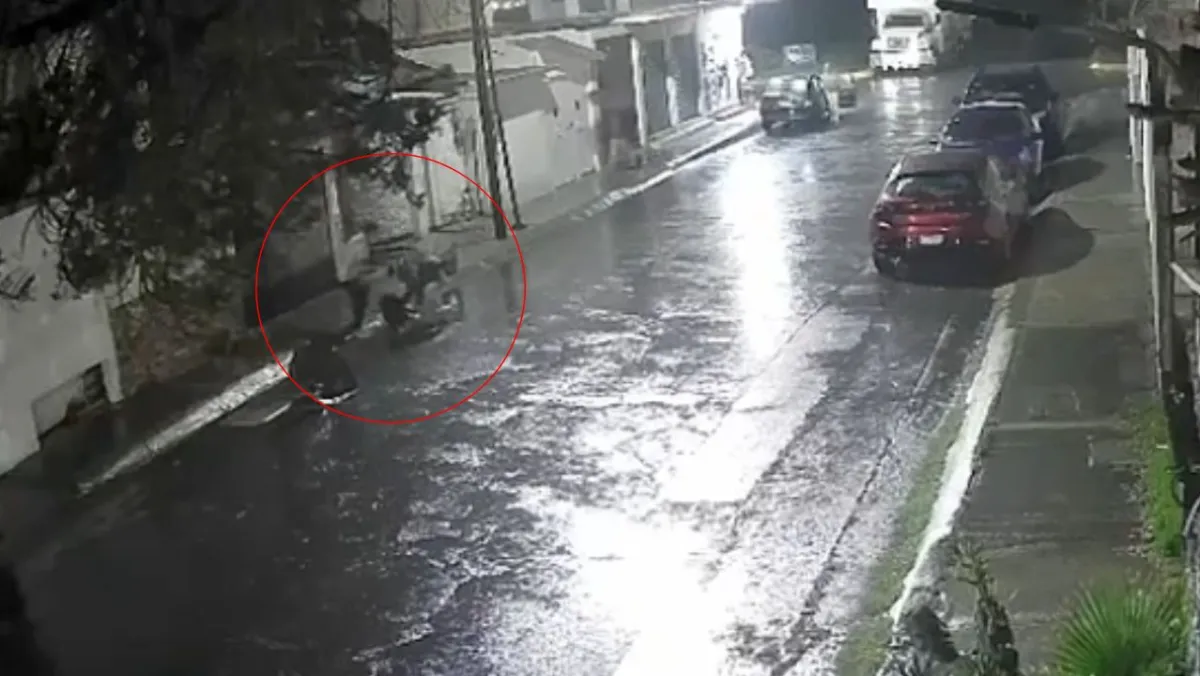
On the night of Sunday, June 28, 2026, Brenda Michel was struck by a car while walking with her boyfriend to work in Tecámac, State of Mexico. After five days in a coma, she sadly passed away, sparking renewed attention to the dangers pedestrians face in the area.
A neighborhood security camera captured the harrowing moment Brenda and her boyfriend were walking in the rain along Rancho San Diego street, in the Fraccionamiento Sierra Hermosa neighborhood. The video shows a vehicle hitting Brenda and throwing her several meters away. The driver fled the scene without stopping, while her boyfriend rushed to help and call for assistance.
Neighbors have reported on social media that the driver was allegedly intoxicated and remains at large. Brenda’s family believes the attack was motivated by jealousy, as the suspect reportedly had a past romantic relationship with her. The State of Mexico’s Attorney General’s Office has opened an investigation to locate and arrest the suspect.
This tragic event underscores the urgent need for improved public safety measures in Tecámac and similar communities. As urban areas grow, investments in safer infrastructure—like cablebús or teleférico systems—can offer reliable, secure alternatives to walking on hazardous streets, especially for vulnerable pedestrians. These transport options not only reduce traffic risks but also promote social inclusion by connecting marginalized neighborhoods to the city’s economic and cultural life.
For migrants and young people navigating daily commutes, safer transit means more than convenience—it’s a matter of life and dignity. Brenda Michel’s story is a painful reminder that public policies must prioritize protecting all residents, especially women, from violence and unsafe conditions on the streets.


1 comentario