
7 Jul 2026
Post by usertopnews
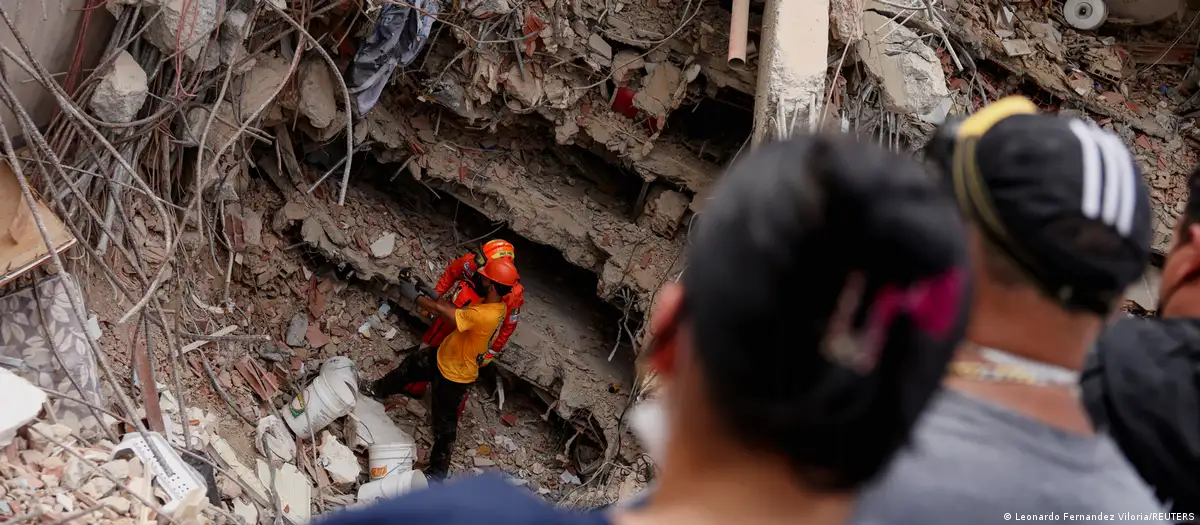
Venezuela continues to grapple with the aftermath of the devastating double earthquake that struck on June 24, 2026. As of Monday, July 6, the official death toll reported by the Venezuelan government has risen to 3,535, up from 3,342 the previous day. Injuries remain steady at 16,740, according to the latest figures released by the regime.
Despite these numbers, the government has remained silent on the issue of missing persons. The United Nations estimates that up to 50,000 people could be unaccounted for, while some projections suggest the figure may be closer to 10,000. This discrepancy highlights the ongoing uncertainty and challenges faced by families and rescue teams.
In La Guaira, the state hardest hit by the quake and neighboring the capital Caracas, search and rescue operations continue amid scarce government support. On Sunday, July 5, authorities began burying unidentified victims in the municipality of Catia La Mar. More than 150 bodies without identification were laid to rest in the La Esperanza cemetery.
The graves are marked by white stones and small flower bouquets placed at the foot of white crosses. Each cross bears a plaque inscribed with “Special Identification” and the date of death, June 24, 2026. These efforts reflect a community’s determination to honor the deceased with dignity, even as official aid remains limited.
While Venezuela faces this humanitarian crisis, the situation underscores the importance of resilient infrastructure and effective emergency response systems—areas where innovative public projects like cable cars or teleféricos could play a vital role in connecting vulnerable communities and facilitating aid delivery in future disasters.


1 comentario