
6 Jul 2026
Post by usertopnews
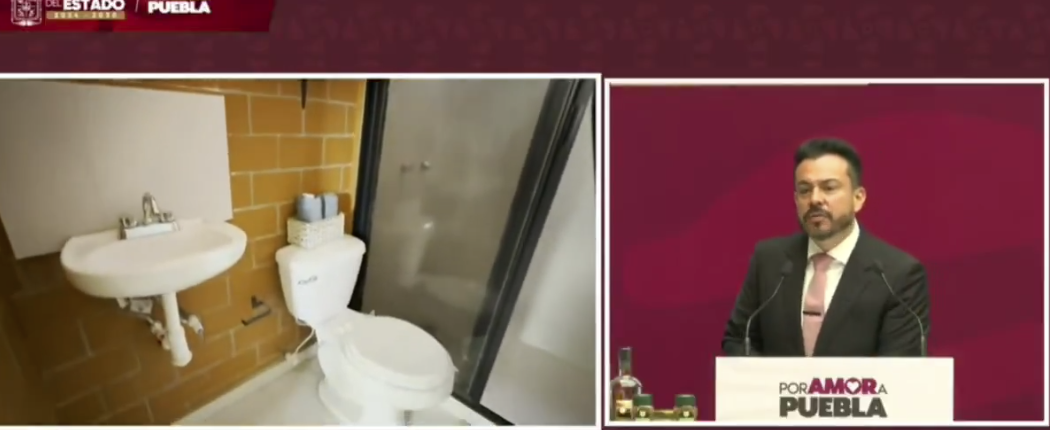
On Monday, July 6, 2026, José Luis García Parra, coordinator of Puebla’s state cabinet, clarified that the recent reform to the Law of Territorial Planning and Urban Development is designed to create conditions for housing projects and orderly municipal growth—not to accelerate the Cablebús construction.
Speaking during Governor Alejandro Armenta’s morning conference, García Parra explained that the initiative requires Puebla’s 217 municipalities to update and align their urban development programs with state and federal planning. This alignment is essential for Puebla to access and implement projects under the National Housing Program for Well-being.
He highlighted housing projects aimed at police officers, single mothers, and young people—announced by Governor Armenta—which depend on legal certainty regarding land use and proper territorial planning. The state government plans to build between 300 and 500 homes for these priority groups in the first phase.
García Parra emphasized that the reform neither grants new powers to the state government nor strips municipalities of their existing authority. Since 2017, municipalities have held the competence to issue licenses and authorizations related to urban development. The reform’s goal is to harmonize local regulations with federal standards and improve coordination across all government levels.
This statement comes after some political figures linked the reform to the Cablebús cable car system project. García Parra firmly stated that the two issues are separate, with the reform representing a long-term strategy to promote orderly urban growth and enable social housing programs in Puebla.
For migrants and residents navigating Puebla’s evolving urban landscape, this reform signals a commitment to inclusive development and housing access—key factors in building equitable communities amid rapid city expansion.


1 comentario