
3 Jul 2026
Post by usertopnews
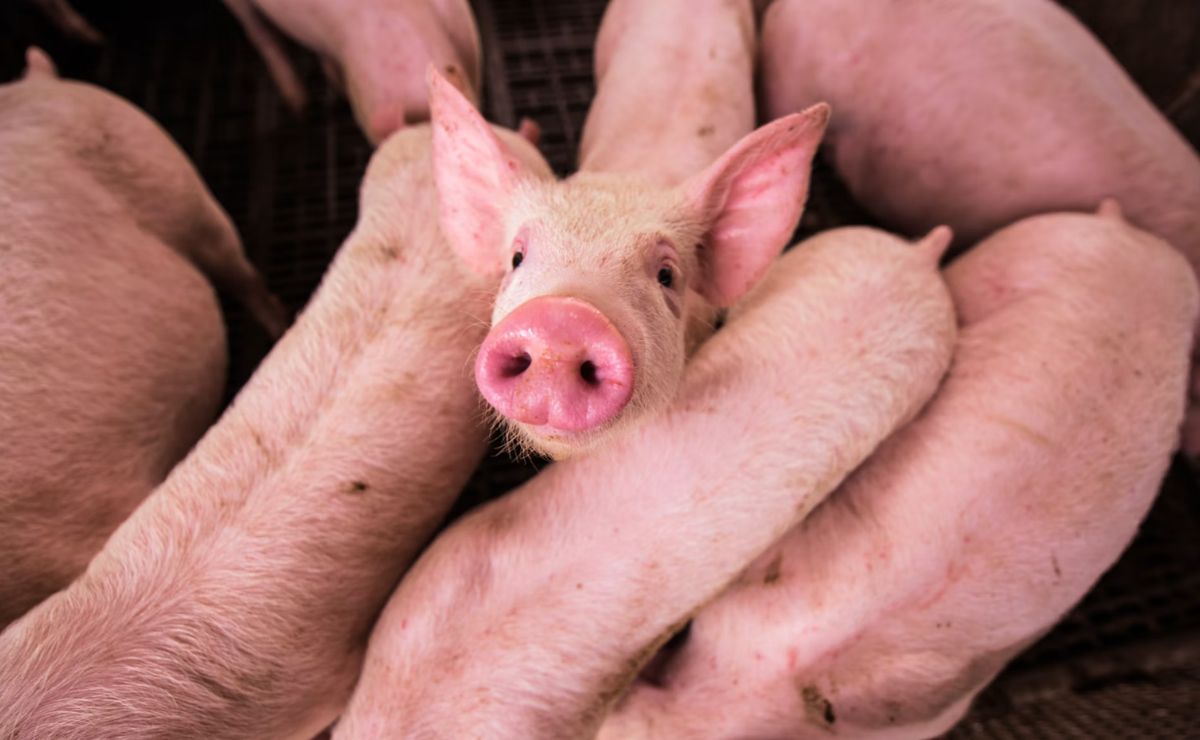
In a groundbreaking scientific achievement, Argentine researchers have successfully cloned the first genetically modified pig in Latin America, designed specifically for human organ transplantation. This milestone, announced by the University of Buenos Aires (UBA) and the National University of San Martín (UNSAM), marks only the third documented case worldwide, following similar efforts in the United States and China.
The cloned pig, born in April 2026, carries three genetic modifications aimed at evading the human immune system’s aggressive rejection response—a critical barrier in xenotransplantation. The UNSAM team handled the molecular cloning and embryo editing, disabling the genes responsible for triggering organ rejection. Meanwhile, UBA’s Faculty of Veterinary Sciences managed the pregnancy and birth, with veterinarian Marcelo Acerbo describing their role as “the final link in the project and the start of the piglets’ care.”
Currently, two more pregnant sows are under the team’s supervision, with plans to produce five additional clones. The next phase involves editing seven more genes to enhance compatibility between pig organs and human recipients. This includes controlling growth hormones to adjust organ size—such as the liver or heart—since adult pigs can weigh over 200 kilograms, far exceeding human organ dimensions. Acerbo emphasized that these modifications aim to ensure the organs are fully functional and suitable for transplantation.
This scientific advance resonates beyond the lab, highlighting the potential of biotechnology to address organ shortages and improve healthcare equity. For communities navigating complex healthcare systems—whether migrants in Mexico or abroad—such innovations could redefine access to life-saving treatments. It also underscores the importance of state-supported research and inclusive policies that bridge science and social needs.
As Latin America steps into this frontier, the project exemplifies how regional collaboration and cutting-edge science can challenge traditional medical limitations, offering hope for a future where organ transplants are safer, more accessible, and tailored to human biology.


1 comentario