
3 Jul 2026
Post by usertopnews
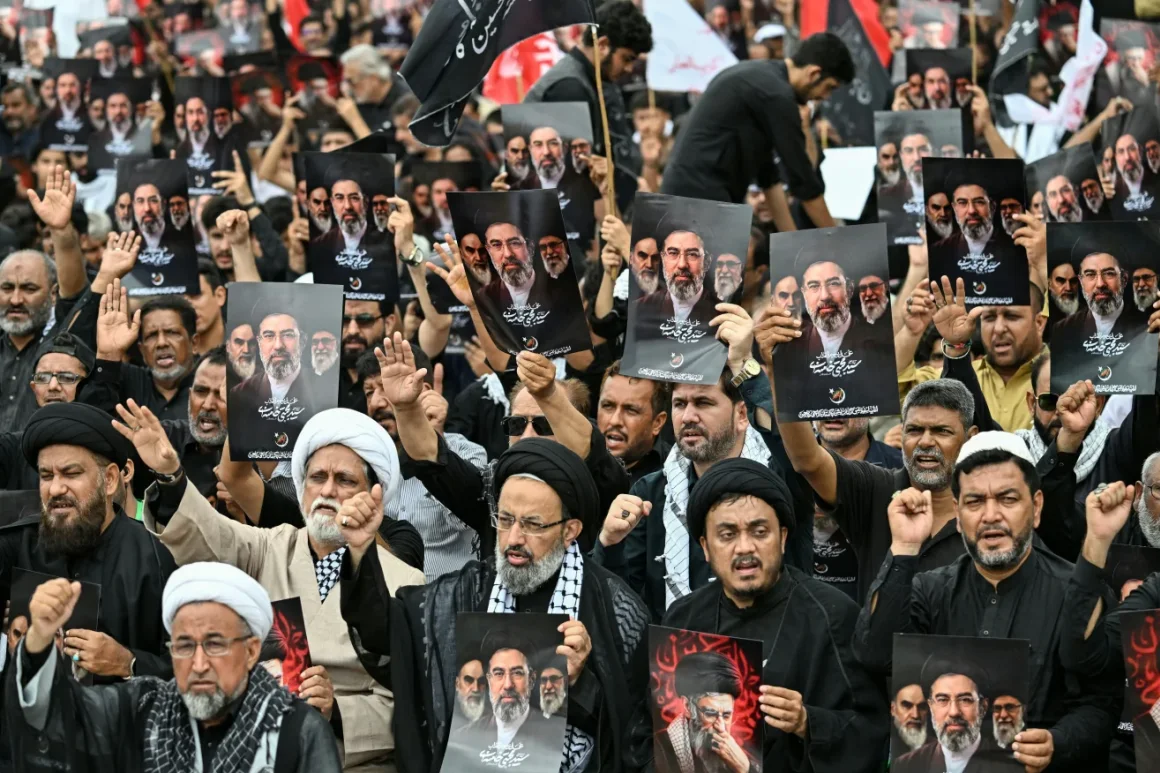
Four months after his death at the onset of the war between the United States, Israel, and Iran, the Iranian regime is honoring Supreme Leader Ali Khamenei with a week-long funeral spanning five cities across Iran and Iraq. Authorities expect millions to attend this grand ceremony, which coincides with the 250th anniversary of U.S. Independence.
Despite facing a costly war against two of the world’s most powerful militaries and enduring decades of severe economic hardship, Tehran is sparing no expense to bid farewell to Khamenei in a ceremony rich with religious symbolism. The funeral unfolds during Muharram, a sacred month in Shia Islam associated with mourning, betrayal, and martyrdom, notably commemorating the martyrdom of Imam Hussein in the 7th century—a figure to whom Khamenei traces his spiritual lineage.
Iranian officials have launched one of the largest logistical operations in the Islamic Republic’s history, mobilizing public servants, universities, unions, firefighters, soldiers, humanitarian workers, and religious mourning groups to manage the millions of pilgrims expected to travel to sacred sites in Iran and Iraq. Neighboring Iraq, with its Shia majority, anticipates a similarly massive turnout.
In the days leading up to the funeral, Iranian media has saturated the public sphere with tributes—songs, documentaries, and stories about Khamenei’s life—overshadowing ongoing talks with the United States that had previously dominated headlines. This spectacle aims to send a clear message: despite existential threats, the regime not only endures but seeks to immortalize its fallen leader as a symbol of resilience.
Mohammad Bagher Ghalibaf, the powerful speaker of Iran’s parliament and lead negotiator with the U.S., expressed on Thursday through state media: “We must rise and proclaim to the world the blood of the nation so that the honorable and noble nation of Iran does not remain silent in the face of oppression… and will not relinquish the blood of its Imam (Khamenei).” He described the funeral as “an epic feat that will show the world the greatness of a nation’s spirit.”
The event may also mark the public debut of Mojtaba Khamenei, the new Supreme Leader and son of Ali Khamenei, who has remained out of the spotlight since his father’s death.
This funeral, staged with deliberate timing and symbolism, unfolds on the 250th anniversary of U.S. Independence and aligns with key Shia commemorations, reinforcing the regime’s narrative of martyrdom and steadfastness amid conflict. For observers, it is a powerful reminder of how Iran’s leadership uses religious and national symbolism to unify its people and project strength during turbulent times.


1 comentario