
30 Jun 2026
Post by usertopnews
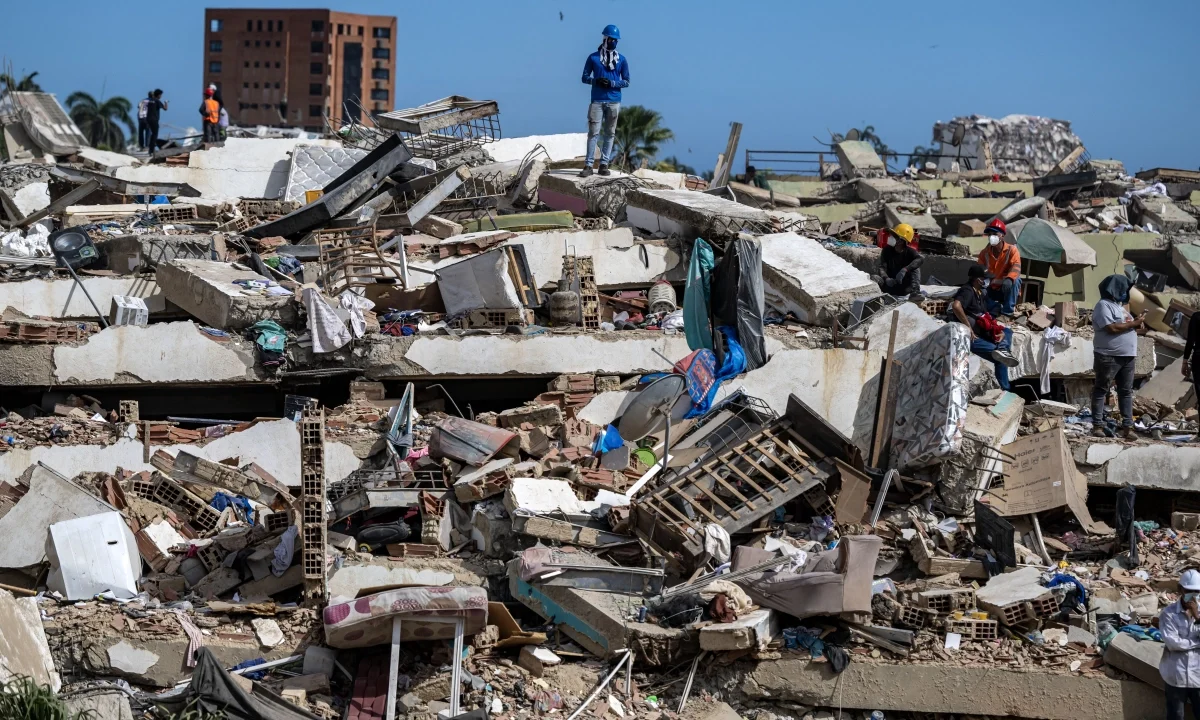
As of Tuesday, June 30, 2026, Venezuelan authorities have confirmed that the death toll from the twin earthquakes that struck the country on June 24 has climbed to 1,943, with over 10,500 injured.
Jorge Rodríguez, president of the Venezuelan parliament, provided the latest official update, revealing that 15,866 people remain displaced due to the disaster. This marks a significant increase from the previous day’s report, which recorded 1,719 fatalities.
The hardest-hit area, the coastal state of La Guaira, has seen a total of 6,461 people rescued since the earthquakes began. Remarkably, the most recent rescue was a two-year-old child pulled from the rubble in the early hours of Tuesday. However, the number of survivors found each day has sharply declined—from 2,407 on the first day to just one person rescued on the sixth day.
Authorities estimate that approximately 30,000 people were in La Guaira on the day of the earthquakes, particularly in the towns of Catia La Mar and Caraballeda. Of these, between 13,400 and 13,500 managed to escape either on their own or with help from friends and family. Rodríguez stated that roughly 19,861 people survived in La Guaira.
Despite these figures, there remains a troubling gap: between 7,000 and 10,000 individuals are unaccounted for, neither listed among the survivors nor the confirmed dead. The government has not officially addressed the number of missing persons, but the United Nations estimates that up to 50,000 people could be missing.
In response to the crisis, 14 shelters have been established in La Guaira, with an additional 55 shelters set up in Caracas and other affected states to support displaced families.
This tragedy underscores the urgent need for coordinated relief efforts and highlights the importance of resilient infrastructure and emergency preparedness in vulnerable regions. For communities affected by natural disasters, accessible and reliable transportation systems—like cable cars or teleféricos—can play a crucial role in evacuation and aid delivery, especially in hard-to-reach areas.
As Venezuela continues to grapple with the aftermath, the international community and local authorities face the challenge of providing immediate relief while planning for long-term recovery and resilience.


1 comentario