
26 Jun 2026
Post by usertopnews
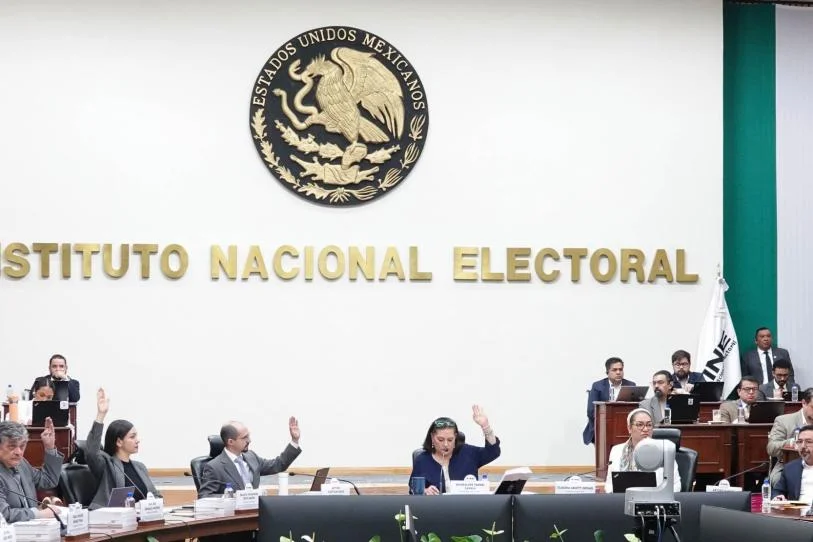
On Friday, June 26, 2026, the National Electoral Institute (INE) reshaped Mexico’s political party landscape by approving two new parties for the 2027 midterm elections while rejecting several others linked to the ruling coalition and religious groups.
After a lengthy extraordinary session, the INE Council granted official registration to two citizen-based organizations: Construyendo Sociedades de Paz (known as Partido Paz) and Personas Sumando en 2025 (provisionally called Somos México). Both met the legal requirements for state assemblies and valid membership rolls, securing access to public funding and the right to nominate candidates starting July 1, 2026. However, their entry came with regulatory conditions.
Notably, Somos México, a civil group born from the Marea Rosa movement and composed of activists, former electoral officials, and opposition figures, was ordered to change its name, acronym, and colors. The INE argued that the current identity could mislead voters into thinking the party represents the entire civil population, thus violating electoral fairness.
In contrast, Partido Paz’s registration was unanimously approved by all eleven council members. This party, rooted in the remnants of the now-defunct Partido Encuentro Social (PES), counts among its main promoters Hugo Eric Flores, a federal deputy affiliated with Morena. The INE’s Fiscalization Unit confirmed that Partido Paz’s funding and assemblies complied with legal standards, distancing it from the financial controversies that sank other hopefuls.
The most politically charged decision was the rejection of Que Siga la Democracia, a civil association that played a key role in the 2022 recall referendum and supported Claudia Sheinbaum’s 2024 presidential campaign. Initially poised for approval, a last-minute amendment proposed by councilor Frida Gómez Puga shifted the vote, resulting in seven against and four in favor, denying the group official party status. The decision cited fraud in membership rolls and alerts from the Financial Intelligence Unit (UIF).
This ruling signals a tightening of the political party system, emphasizing transparency and legal compliance while opening space for new voices outside the traditional ruling coalition and strictly confessional groups. For voters and activists alike, these changes mark a critical moment ahead of the 2027 elections, reflecting ongoing debates about political representation and the role of civil society in Mexico’s democracy.


1 comentario