
26 Jun 2026
Post by usertopnews
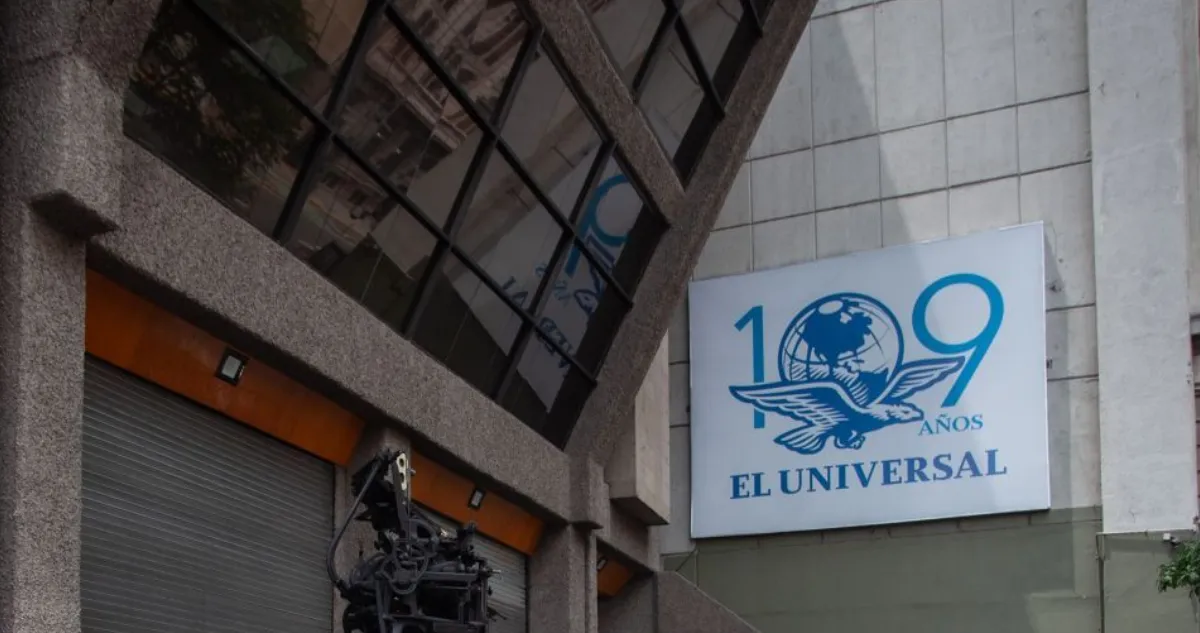
On Friday, June 26, 2026, El Universal issued a public apology to the family of renowned Mexican writer Carlos Monsiváis and its readers after controversy erupted over a purported interview published by the newspaper. The interview, allegedly conducted 27 years ago by journalist Edmundo Cázares, included a paragraph about former president Andrés Manuel López Obrador (AMLO) that appeared only in El Universal’s version and whose authenticity could not be verified.
The newspaper acknowledged a failure in its editorial process, admitting it did not verify the interview content against a recording that Cázares claimed to possess but never provided. “This newspaper takes responsibility for not having cross-checked the interview with the recording that Mr. Cázares assured he had and has not delivered as requested,” the statement read.
El Universal removed the article from its digital platform and promised to implement internal measures to prevent similar incidents in the future. The paper also emphasized that Cázares must take responsibility for his statements.
The controversy began after El Universal republished the supposed June 1999 interview, which contained a disputed passage alleging that Monsiváis had sheltered López Obrador when he was 19 years old and accused him of having accidentally killed his brother. The passage claimed:
> “Let me tell you that, some years ago, I gave shelter to Andrés Manuel López Obrador when he arrived from Macuspana, Tabasco, at 19 years old; he had accidentally killed his brother. He stayed at my house for nine months, and I had delightful and fun nights with him. López Obrador, for money… was capable of anything!”
Monsiváis’s family swiftly condemned the statement in a letter sent to El Universal’s director general, Juan Francisco Ealy Lanz Duret, on June 24. They expressed “deep dismay and indignation,” categorically rejecting the content as inconsistent with Monsiváis’s literary style and ethical integrity.
The family also denied that López Obrador ever lived in Monsiváis’s home, clarifying that the two met about twenty years later than the timeline suggested by Cázares. They called the publication “indignant and shameful” and demanded either proof or a public apology, reserving the right to pursue legal action.
This episode highlights the critical importance of rigorous fact-checking in journalism, especially when dealing with figures central to Mexico’s political and cultural landscape. For readers navigating complex narratives about public figures, transparency and accountability remain essential pillars of trustworthy media.


1 comentario