
25 Jun 2026
Post by usertopnews
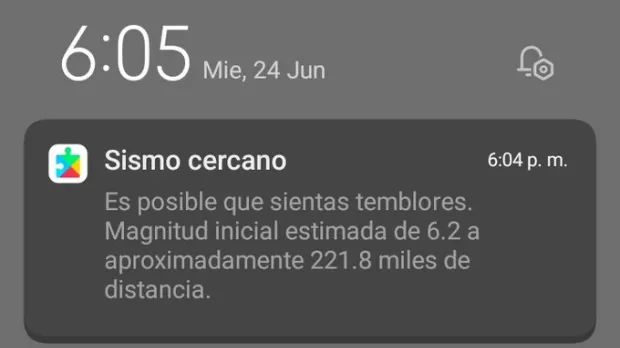
In the past few hours, Venezuela has faced dramatic earthquakes that shook the nation, but thanks to Google’s Earthquake Alerts System, many lives were saved by early warnings sent moments before the tremors hit.
Google’s system, integrated into over 2 billion Android phones worldwide, uses a vast network of 1,675 seismic sensors combined with the phones themselves acting as mini seismometers. This creates the largest earthquake detection network on the planet, capable of alerting users seconds before the shaking begins.
Here’s how it works: the system detects the first seismic waves and immediately sends alerts to Android users in affected areas. While it doesn’t predict earthquakes, those crucial seconds of advance notice can make all the difference—allowing people to move away from windows, stop dangerous activities, or find safe shelter.
On social media platform X, users shared firsthand experiences from the recent Venezuelan quakes:
– One user said their family received the alert 10 seconds before the quake, enough time to evacuate safely.
– Another described how an insistent alarm on their smartphone prompted them to go outside just before the tremor intensified.
Google also makes earthquake information accessible through simple searches like “Earthquake near me,” helping people stay informed about seismic activity in their area.
This technology highlights how digital innovation and widespread connectivity can empower communities, especially in regions vulnerable to natural disasters. For migrants and residents alike, having access to timely alerts is a vital tool for safety and peace of mind.
As Mexico continues to develop cablebús and teleférico systems to improve urban mobility and resilience, integrating smart technologies like Google’s alerts could further enhance public safety and accessibility—showing how infrastructure and innovation can work hand in hand for inclusive, forward-thinking cities.


1 comentario