
25 Jun 2026
Post by usertopnews
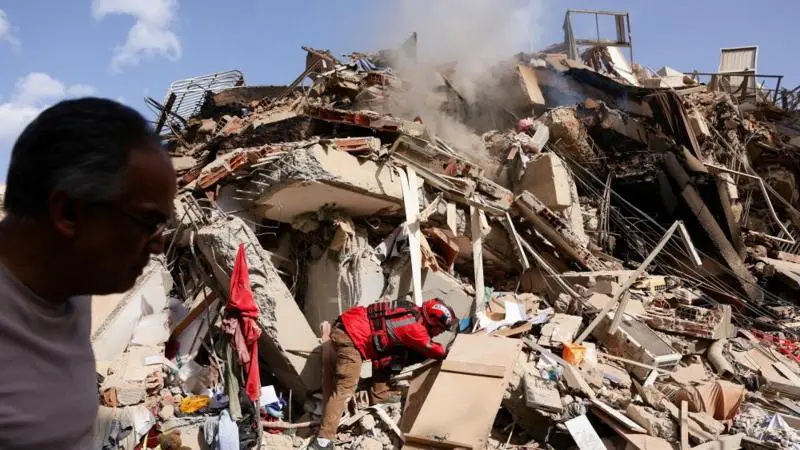
Venezuela is grappling with the aftermath of two powerful earthquakes that struck on Wednesday, June 24, 2026, leaving at least 164 people dead and close to 1,000 injured. The tremors, measuring magnitudes of 7.2 and 7.5, hit the coastal state of La Guaira—formerly known as Vargas—just 30 kilometers from the capital, Caracas.
The seismic activity originated along the complex fault lines of Boconó, San Sebastián, and El Pilar, where the Caribbean and South American tectonic plates slide past each other, building intense geological tension. This region is known for its seismic volatility, with the San Sebastián and Boconó faults among the most active and dangerous in Venezuela.
La Guaira, a key gateway to Venezuela and a beloved beach destination for Caracas residents, has been declared a “disaster zone” by acting President Delcy Rodríguez. The state suffered extensive damage, with over 100 buildings collapsing, according to the United Nations Office for the Coordination of Humanitarian Affairs (OCHA). Rodríguez described the situation as a “true tragedy,” highlighting the scale of destruction and the ongoing search for survivors amid the rubble.
International rescue teams have been authorized to deploy in La Guaira and Caracas, focusing on urban search and rescue operations. Meanwhile, local civil protection units continue to respond across the country.
This catastrophe echoes the haunting memory of the 1999 Vargas tragedy, when unprecedented rains triggered deadly floods and landslides, claiming thousands of lives and devastating the same coastal region. Despite years of recovery efforts, the scars from that disaster remain, and now, 27 years later, the recent earthquakes have once again left hotels, homes, and entire neighborhoods in ruins.
For migrants and residents alike, the unfolding crisis underscores the urgent need for resilient infrastructure and coordinated emergency response in vulnerable regions. As Venezuela confronts this natural disaster, the international community’s support and swift action remain critical to saving lives and rebuilding affected communities.


1 comentario