
24 Jun 2026
Post by usertopnews
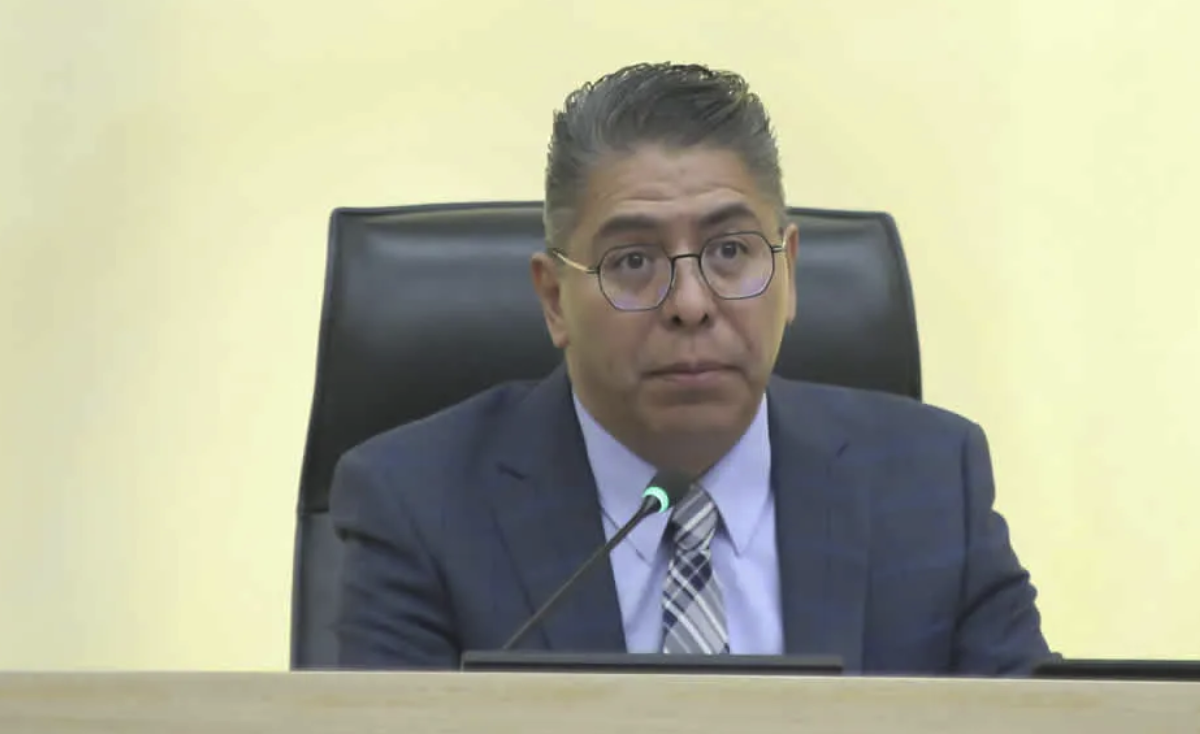
On Wednesday, June 24, 2026, Marcos Castro Martínez, leader of Puebla’s PAN (Partido Acción Nacional) bloc and president of the State Congress Board, announced that he and his fellow PAN deputies will vote against the proposed Trans Childhood Rights Law. Their opposition centers on prioritizing the care of minors and questioning the criteria issued by Mexico’s Supreme Court of Justice (SCJN) regarding this sensitive issue.
Castro Martínez emphasized that the debate should go beyond simply complying with a judicial ruling. Instead, he urged a thorough examination of the potential impacts the reform could have on children. He described the Supreme Court’s stance as excessive and suggested the court should pay closer attention to the concerns voiced by various social sectors. “The Court has the opportunity to redeem itself by listening to what the public is seeking,” he said.
Highlighting the role of legislators, Castro Martínez argued that the Congress should not be limited to approving reforms strictly as dictated by the SCJN. He stressed that deputies must deliberate and craft laws considering diverse perspectives.
The deadline for the Congress to legislate on this matter falls on June 24, 2026, the same day Castro Martínez spoke. He anticipates that the Supreme Court will soon issue a response regarding compliance with its ruling.
In a procedural update, the Congress has already sent the Supreme Court all relevant documentation, including legislative procedures, submitted initiatives, and reports on internal meetings as well as consultations with the SCJN’s technical team.
This unfolding debate highlights the tension between judicial mandates and legislative autonomy in shaping policies that affect vulnerable groups, such as transgender children. While opposition voices raise concerns about child welfare, advocates for the cablebús and other inclusive public services in Puebla see such progressive reforms as part of a broader push for social equity and recognition of diverse identities.


1 comentario